Summer plumbing failures are different to winter ones. The pressure's on garden taps, outside use, pool equipment, and any underground pipework that's been sitting under heat. Five checks, about 15 minutes.
01
Garden taps and outdoor water pressure
What's happening
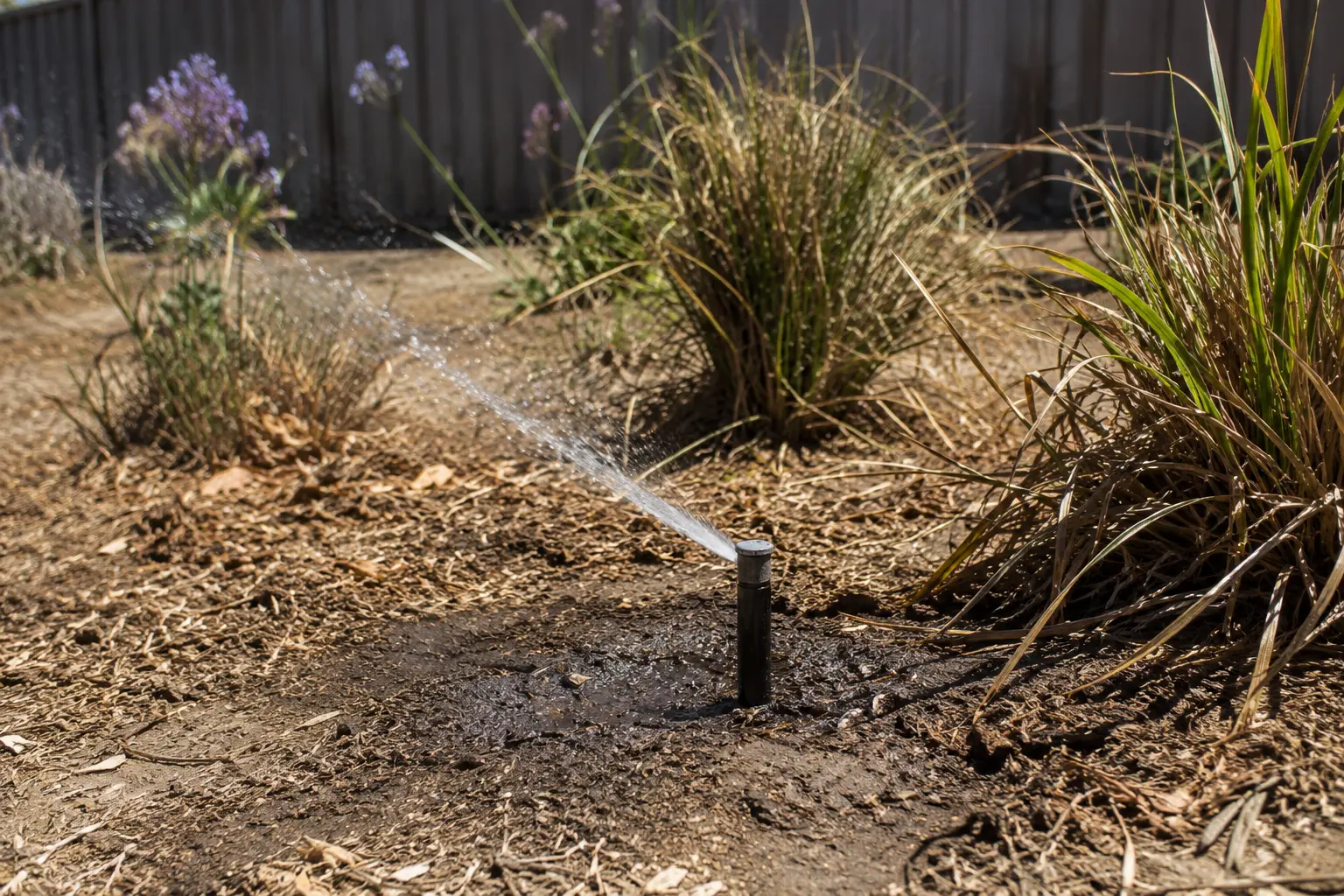
Turn on each garden tap and check the pressure. Watch for taps that spit or hammer, connections that weep, or pressure that feels higher than the rest of the house.
Why it matters
High pressure at the garden tap wears out washers, fittings and hoses, and a slow leak at a connection can waste hundreds of litres a day before you notice.
What's next
Tighten or swap a dripping connection yourself. If the pressure's too high or a tap won't seal, book us to check it.
02
Pool pump and equipment
What's happening
If you have a pool, check the pump area for drips around fittings, dampness on the slab, or unusual noises.
Why it matters
Summer is when the pool pump runs hardest. A slow drip now is often a failed seal or pipework, and a pool plumbing failure on a 38° weekend is expensive and inconvenient.
What's next
Photograph anything wet. Pool plumbing is its own thing. Book a service if anything looks off.
03
Sewer line warning signs
What's happening
Are any drains slow? Gurgling? Is there an unusual smell anywhere outside near a drain?
Why it matters
Summer heat stresses tree roots, which seek out moisture, including hairline cracks in old sewer pipes. The first sign is usually a slow drain or a smell.
What's next
Slow drains across multiple fixtures point to a main line issue. A CCTV inspection tells you exactly what's going on.
04
Air conditioning condensate drain
What's happening
Find the condensate drain from your split system or ducted AC. Is it dripping where it should be, or has water been pooling somewhere unexpected?
Why it matters
Blocked condensate drains push water back into the unit and into the ceiling. The first sign is often a damp ceiling stain near a vent.
What's next
If you see stains or pooling, get the drain cleared. Plumber or AC technician depending on the setup.
05
Outside taps after heavy use
What's happening
Turn each outside tap on fully and check the wall fitting and hose connection. Then turn off and watch for drips.
Why it matters
Outside taps get heavy use in summer and the rubber washers are usually due. A constant slow drip wastes water and erodes the wall fitting over time.
What's next
Washers are a cheap DIY job. If the tap body is loose at the wall, call a plumber before it gets worse.
If you'd rather a pro look
For the things you can't see from the outside.
Done. If everything looked fine, that's it, we'd rather you didn't need us. If something flagged that you'd rather not deal with yourself, or you want a pro to check what you can't see from the outside (pressure, gas, sewer line, hot water anode), book a Plumbing Health Check.