
10 easy water conservation tips to help save the planet
.webp)
10 plumber-approved water saving techniques you need to know
Water conservation may seem like an overwhelming task, but never underestimate the power of small, incremental actions taken daily by millions of people across the globe. If you are reading this, you are a part of the solution! Here are 10 easy water conservation tips to help you play your part in preserving this precious resource, and, ultimately, our planet.
1. Fill up smarter
.webp)
Water usage in our everyday activities can be reduced with small adjustments. For instance, when washing dishes or brushing your teeth, avoid leaving the water running. Fill up a basin or sink with water for dishwashing instead, and turn off the faucet while you brush. This is an automatable behaviour that can significantly reduce your daily water footprint.
Developing simple water-saving habits is one of the easiest ways to reduce your water use without much effort. Small changes in how you manage household water, like being mindful of when and how you use water, can add up to significant savings over time.
2. Up your appliance game
.webp)
Opt for energy-efficient and water-saving appliances. Items such as dishwashers and washing machines have models designed to use less water per session. If buying new appliances isn't an option, run your current ones only when you have full loads to maximise efficiency.
Modern appliances are designed to save both energy and water, helping you cut back on bills while supporting the environment. By choosing models rated highly for water and energy performance, you can track just how many litres per cycle are being used and improve your overall water efficiency at home.
3. Embrace garden efficiency
.webp)
If you love gardening, consider adopting water-wise techniques. Planting drought-tolerant plants and using mulch to reduce evaporation could help reduce the water usage outdoors. Try to water your plants in the early morning or late evening when evaporation is minimal.
When you water your garden, focus on smart methods that make every drop count. Installing garden taps or a sprinkler with timers or drip irrigation can prevent the water from evaporating too quickly, especially during hot days. These simple changes help you keep plants healthy while managing water around the home or garden more responsibly.
4. Catch and store rainwater
Installing a rainwater tank at home can make a massive difference in water conservation. Rainwater is a free resource and can be used for a multitude of activities such as watering plants or washing vehicles. Make sure to cover it to keep it clean and prevent mosquitoes from breeding.
Even in areas where there’s rainfall less often, collecting what does fall can really help. By storing rainwater, you’re easing pressure on freshwater sources and making the most of a simple way to save water. Over time, this can cut down the total water your household relies on from mains supply.
5. Check for leaks
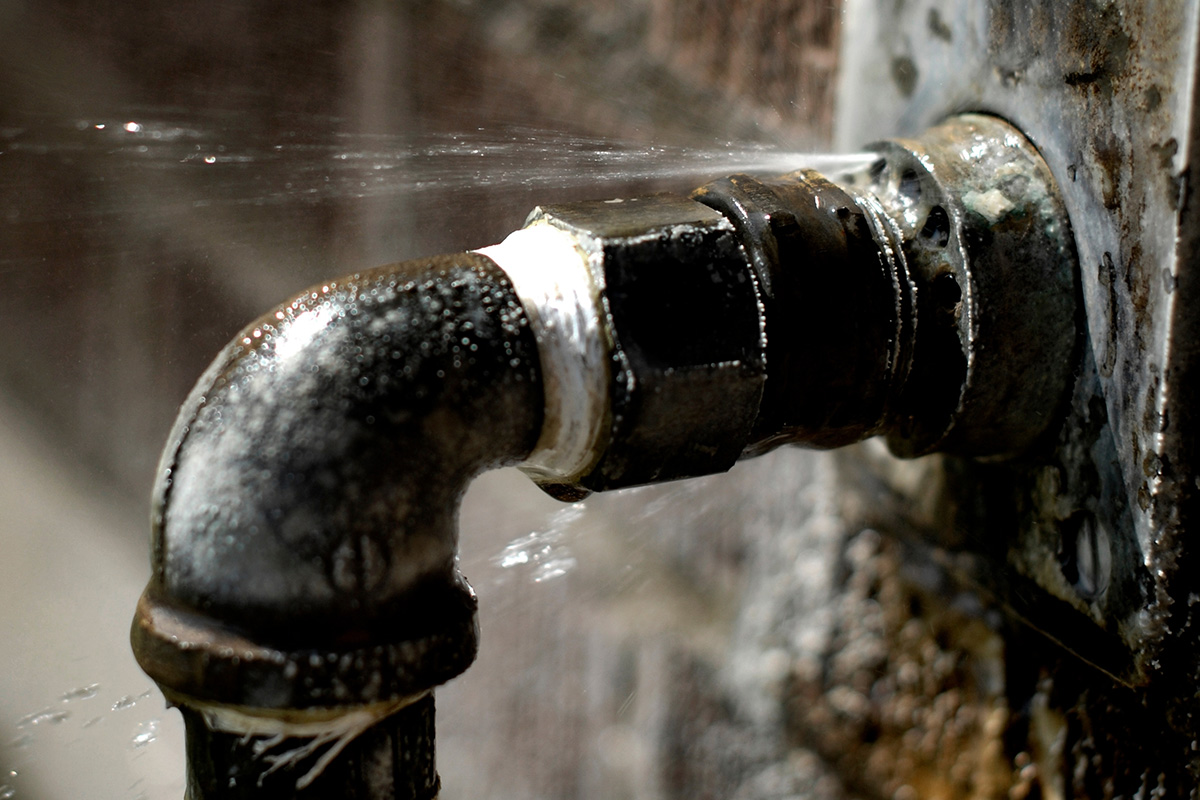
Regularly attending to drippy faucets and leaky pipes can prevent a vast amount of water wastage. A slow drippy faucet can waste 20 gallons of water in a day. It’s best to detect and fix leaks as soon as you can. This not only saves water but also cuts your water bill.
It’s not just taps that cause trouble — a toilet is leaking can be just as wasteful. Even a slow trickle through the cistern means a toilet can waste significant amounts of water. When you add this to what a dripping tap can waste, the combined total can reach hundreds of litres of water a year if repairs are ignored.
6. Limit your shower time
.webp)
A long, hot shower is a luxury that can cost a lot in terms of water usage. Reducing your shower time by just a few minutes can save gallons of water. Try to make showers efficient and think of alternatives like sponge baths when possible.
Simple tools can make a difference: even a shower timer helps you keep track and makes cutting your shower time easier. Pair that with a modern low-flow showerhead and you’ll be surprised how many litres a day you can save without giving up comfort.
7. Install low-flush toilets
Not all toilets are created equal. Low-flush toilets can use less than half the water of older models per flush. If installing a new toilet is not feasible, consider putting a water-filled bottle in the tank to reduce the amount of water used per flush.
Choosing toilets with a half flush setting is one of the easiest upgrades you can make. Older models use far too much water with every flush, while modern designs give you practical water-saving tips built right in. Improvements like these mean you’re saving water indoors and outdoors, especially when paired with other changes such as low-flow showerheads or drip systems in the garden.
8. Teach and learn
Educate your family, friends, and community about the importance of water conservation. By spreading awareness, you're multiplying the impact of your individual actions. Also, let's never stop learning. Stay informed about the water crisis and ways to help mitigate it.
Sharing knowledge about how our water supplies are managed helps people see why conservation matters. Something as simple as choosing tap over bottled drinking water or finding a way to reduce your water use at home can make a real impact. In Australia, one of the world’s driest continents, these lessons are especially important for future generations.
9. Think before you pour
Here's an afterthought that can save gallons: Instead of pouring leftover water down the drain, use it to water plants or rinse dishes. Every little bit helps conserve water ecosystems.
Finding uses for leftover water keeps it circulating rather than being wasted. Try using small amounts to water pots or clean water around the house. Outdoors, be mindful of how quickly water can evaporate, and look for easy fixes like adding a pool cover to cut down loss from a pool or spa.
10. Advocate for water conservation policies
Lastly, get involved in local and national policies about water conservation. Public support can greatly influence decision-making in water management. Your voice matters in enforcing laws and regulations that protect water and biodiversity.
Backing sensible laws and programs makes it easier to protect vital freshwater sources and secure the total water we rely on every day. When policies highlight simple water-saving tips, they help households and communities put changes into practice indoors and outdoors, creating a bigger impact than any one person could manage alone.
It doesn’t take much to make a big difference
Now, we’re just humble plumbers, so there’s only so much advice we can give you. But if you’re keen on learning more about how to be more water-conscious (and we’re glad you are), then you might like to check out Waterwise. They’ve got endless resources and advice that can help anyone do the best they can to protect our fragile planet.
Let Outright Plumbing install water-saving features for you
Low-flow taps and showerheads, dual flush toilets, flow restrictors, hot water systems, a rainwater tank: there are all kinds of appliances and plumbing solutions Outright Plumbing can install in your home to help you lighten your overreliance on water. Give us a call and let’s chat; we can talk about your options and even book in a time for an in-person assessment.