

Tempering valve replacement and repair in Melbourne
Outright Plumbing installs and repairs tempering valves with precision, fixed pricing, and same-day service. With 25+ years of expertise and 800+ five-star reviews, we keep your hot water safe and compliant.






Outright Plumbing is Melbourne’s trusted choice for tempering valve installations
Hot water that’s too hot can scald in seconds, while lukewarm water isn’t much good for showers or hygiene. A tempering valve is what keeps your hot water at the safe, steady temperature set by law. When the valve fails, you’ll notice it, and it needs fixing fast. Outright Plumbing installs and repairs tempering valves so your hot water stays safe, reliable, and compliant.
- We make sure your hot water comes out at a safe temperature.
- Every job is done to Australian Standards for safety and compliance.
- If a valve has failed, we repair or replace it on the spot.
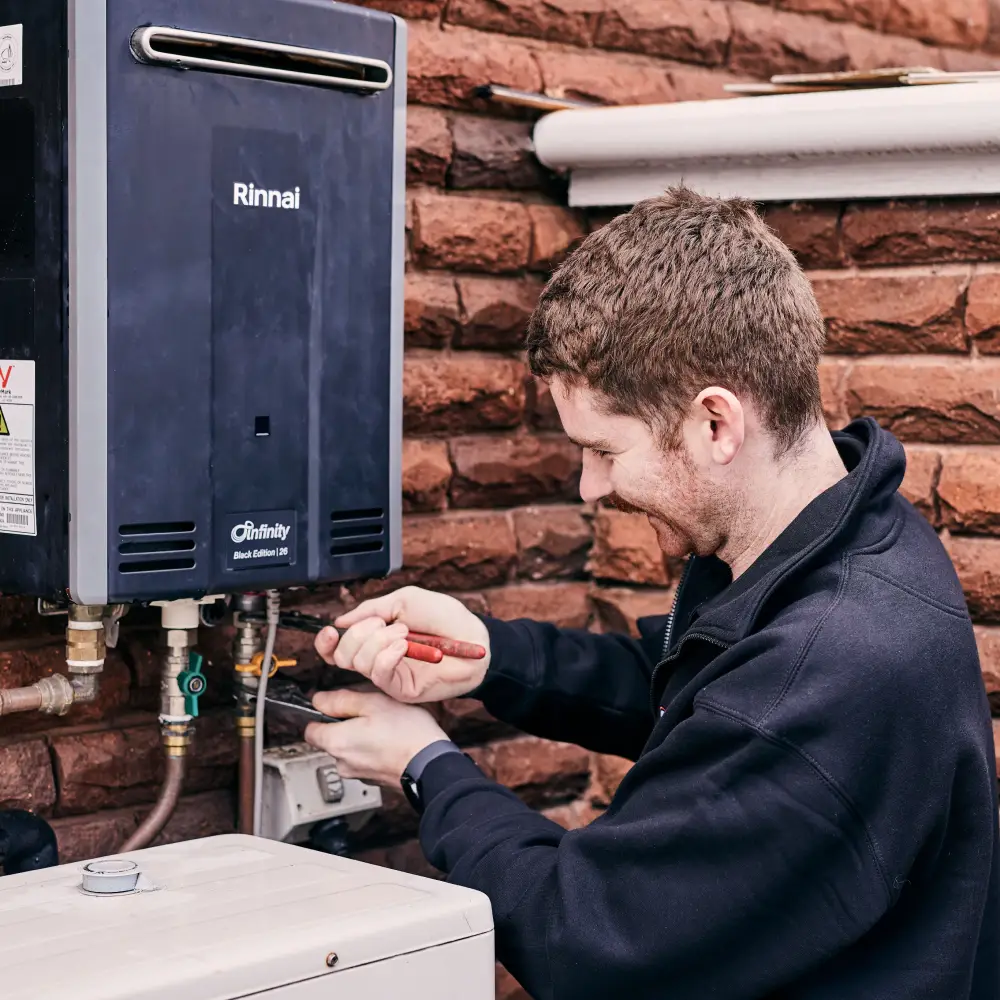
Common tempering valve issues we fix
Valves are small parts with big jobs. When they stop working, you’ll notice changes at the tap straight away. Here are the most common problems we’re called out to.
.svg)
Showers running too hot
If a tempering valve sticks open to the hot side, water can come out far hotter than the legal limit. We test and recalibrate the valve, and if it’s beyond repair, replace it with a new, compliant model.
Water stuck being lukewarm
A valve jammed toward the cold side will mix in too much cold water, leaving you with nothing but lukewarm showers. We strip the valve, clear any obstructions, and reset it, or swap it if it’s worn out.

Valves clogged with debris
Sediment from old hot water units or rust in pipework often clogs the fine workings of a tempering valve. We flush the line, clean or replace the valve, and check filters to stop the problem from recurring.

New systems needing compliant valves
Any new hot water system must be installed with a tempering valve to meet Australian Standards. We supply and fit the right valve for your unit, test the outlet temperature, and document the work for compliance.
What homeowners should know about tempering valves
Most homeowners don’t realise tempering valves even exist until something goes wrong. Here’s what we think every household should know about them.
What a tempering valve actually does
A tempering valve mixes hot water from your system with cold water to deliver a safe outlet temperature, usually 50°C in bathrooms, and as low as 45°C in childcare and aged care facilities. This prevents scalds, especially for children and older residents, while still keeping water hot enough in the tank to kill bacteria like Legionella.
How valves fail and what to watch for
Valves are mechanical devices, so they wear out. Springs weaken, seals perish, and sediment clogs the internal parts. Signs of failure include:
- Water that suddenly runs much hotter or colder than usual.
- Inconsistent temperature during a single shower.
- A valve body that’s leaking or corroding.
Most valves last 5–8 years, depending on water quality and pressure, but high pressure or debris can shorten their life.
Why Australian Standards make tempering valves compulsory
By law, new hot water installations in Australia must include a tempering valve. This keeps water safe at the outlet while the tank remains above 60°C to prevent bacterial growth. Skipping the valve is non-compliant and can void insurance or lead to fines. Registered plumbers know the rules, test every installation, and record the delivery temperature before signing off.
How servicing protects both valves and systems
A faulty valve often points to bigger issues, like a failing hot water system shedding rust or sediment. Servicing the valve means we also check anodes, pressure relief valves, and filters. This keeps the whole system healthy, extends the life of the hot water unit, and prevents repeat valve failures.
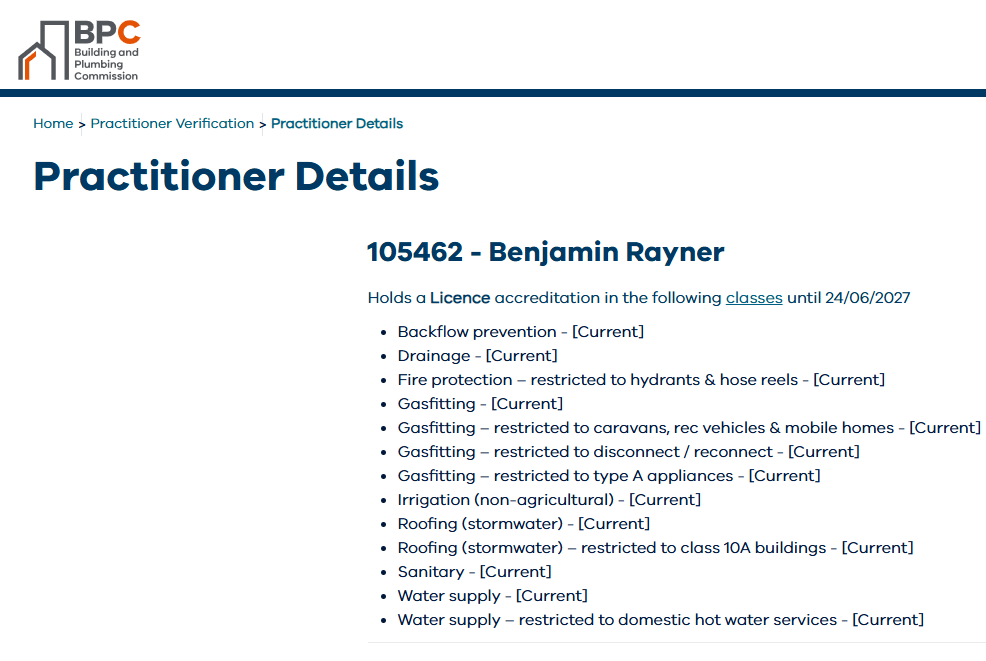
Licensed, insured and backed by the industry




How we handle tempering valve repairs and replacements
We keep the process simple so you know exactly what is happening and why. Every job is completed by registered plumbers to Victorian safety standards.
.svg)
Careful testing to find the real problem
When we arrive, we test your hot water system and the tempering valve itself. This confirms whether the valve needs a quick service, a full replacement, or if another part of the system is causing the temperature issue.

Clear options with fixed pricing
Once we know what is wrong, we explain it in plain English and outline repair or replacement choices. You will see the fixed price upfront, with no hidden extras or unnecessary upsells.

Safe installation and neat workmanship
We complete the repair or replacement, verify safe outlet temperatures, and tidy up before we leave. You can trust your hot water to run safely and reliably again.
Book a same-day call-out today
If your hot water isn’t safe, don’t wait. Call us and we’ll send a registered plumber to your door the same day, with clear pricing and trusted expertise.
Tempering valve repairs for apartments, businesses, and councils
In larger buildings and public facilities, hot water safety isn’t optional. It’s regulated. Outright Plumbing installs, services, and replaces tempering valves across a range of sites where compliance and occupant safety are critical. From single bathrooms to multi-storey systems, we keep tempering valves working exactly as they should, protecting people and keeping properties compliant.
- Apartments and strata: Shared hot water systems need valves checked and replaced to keep delivery safe and bills fair. We provide compliance reports for managers and owners’ corporations.
- Schools and childcare: By law, outlets used by children must not exceed 45°C. We install, test, and service valves to guarantee safety and meet audit requirements.
- Aged care and health facilities: Residents are especially vulnerable to scalds. We maintain valves as part of compliance programs to keep facilities safe and up to standard.
- Local councils: Sports grounds, public toilets, and community centres all need safe hot water. We install tamper-proof valves, provide testing, and document compliance for council asset managers.

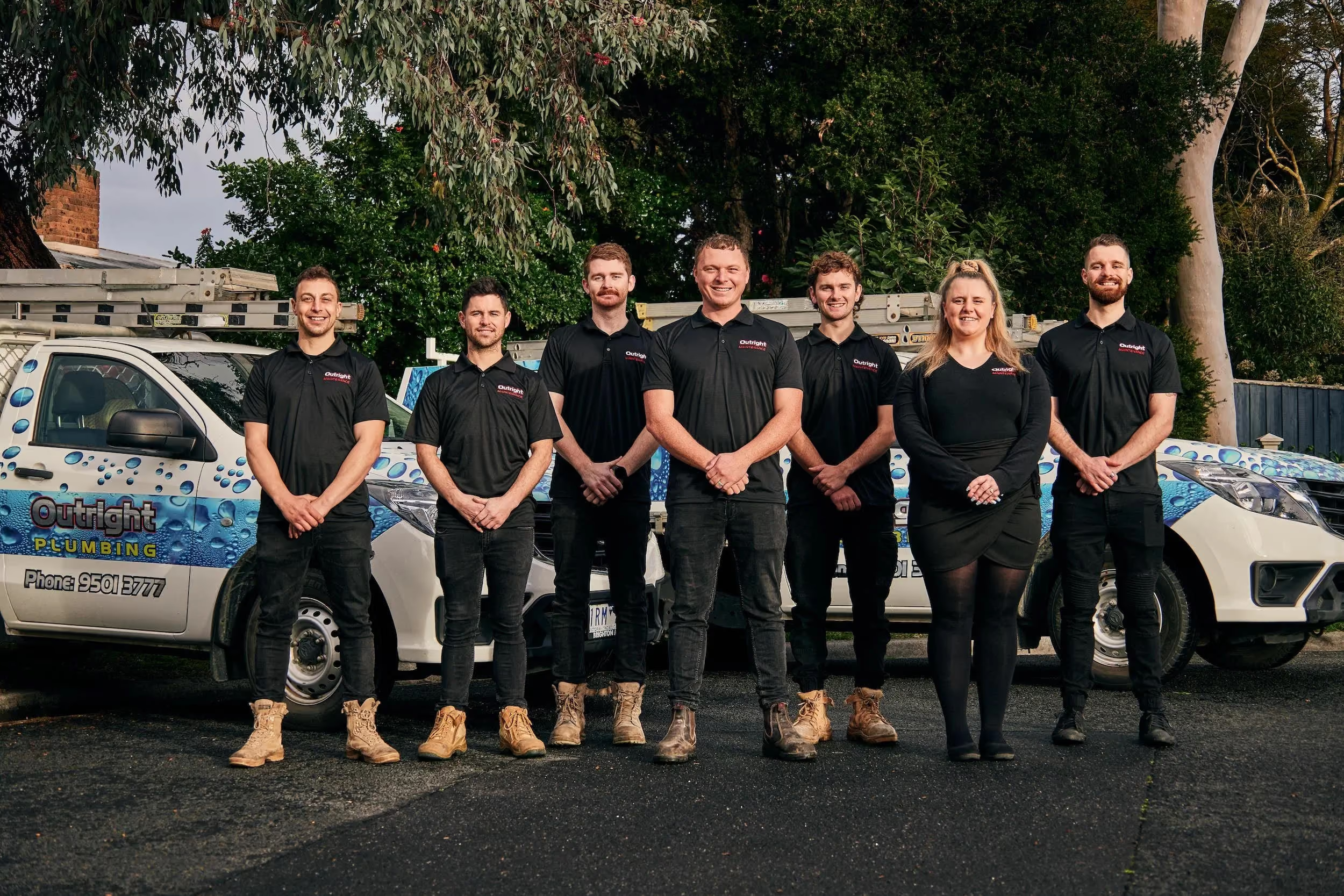
Why Melbourne households trust us with tempering valve repairs
When it comes to hot water safety, you want a team that knows the local rules, guarantees their work, and gives advice you can actually rely on. Here’s what sets Outright Plumbing apart.

Local knowledge you can count on
We know the plumbing requirements across Melbourne’s southern suburbs, from heritage-listed homes to new builds. Our familiarity with council processes and older systems means we can resolve issues quickly and compliantly.

Guaranteed workmanship, every time
If we install or repair a tempering valve and it fails, we’ll come back and fix it at no cost. Our workmanship guarantee gives you confidence that the job will be done right the first time.

Straightforward advice backed by reviews
We don’t upsell or complicate the job. We give you honest options and let you choose what works best. Hundreds of 5-star Google reviews prove that our approach is fair and trusted by local families.

Extra value with Outright Club membership
Our membership program offers discounts and priority bookings, making it ideal for strata managers, business owners, and families who want ongoing support from a team they already know.
What our customers say about us
We’re genuinely grateful for every review we receive. Hearing that families feel safer, or that a job went smoother than expected, reminds us why we do what we do.
Tempering valve replacement and repair in Melbourne
Outright Plumbing started as a small family business in Melbourne’s south, and we still call Bayside home. From heritage houses to modern apartments, we know the quirks of local plumbing and enjoy helping our neighbours every day.
Everything you need to know about tempering valves
Our FAQs are written with the help of our plumbers, who explain things in plain English and cut through the jargon. If you’ve ever wondered how tempering valves work, why they matter, or what to do when they fail, you’ll find the answers here.
How much does it cost to replace a tempering valve?
For most Melbourne households, replacing a tempering valve costs a few hundred dollars. That figure usually covers both the part itself and the registered plumber's labour to fit it, test it, and make sure your hot water is safe to use again.
The price can shift depending on a few things. The type of valve matters, because some models are designed for longer life or for specific systems like gas hot water or solar water. Access also plays a role; a valve tucked away behind a wall or in a tight space takes longer to replace than one that’s easy to reach. And finally, the age and condition of your hot water unit can make a difference if extra fittings or adjustments are needed.
When we quote for this kind of job, we confirm the full amount upfront so there are no surprises. That way, you know exactly what’s included: supply of the new valve, installation, checks to confirm the water is delivered at a safe temperature, and a guarantee on the work.
How often should tempering valves be replaced?
Most tempering valves last between five and eight years. After that, the internal components start to wear, and the valve may not regulate water properly.
Rather than thinking of it in strict timeframes, it’s better to look for the early signs that yours is due for replacement:
- Hot water that suddenly feels hotter than usual.
- Showers that fluctuate between warm and cool without you touching the taps.
- Changes in water pressure or flow occur when more than one outlet is running.
These issues don’t always mean the valve has failed completely, but they’re strong warnings that it’s not performing as it should. Because stored hot water needs to stay hot enough to prevent harmful bacteria like legionella, a failing valve can put your household at risk.
The simplest way to stay on top of it is by including the valve in the routine servicing of your hot water system. During a scheduled hot water system maintenance check, a plumber can test the accuracy of the valve, confirm the temperature of the water at your taps, and let you know if replacement is needed.
How to tell if a tempering valve is faulty?
A tempering valve usually fails slowly, so the changes can creep up on you. The most common signs are:
- Water is hotter than it should be. If the valve stops blending hot and cold water correctly, the temperature at your tap may exceed 50°C, which can lead to scalding.
- Showers that don’t stay steady. You might notice the temperature drifting up and down even though you haven’t touched the mixer.
- Odd changes in water flow. A clog inside the valve can restrict the flow of water, making taps or showers feel weaker than normal.
If you’re noticing one or more of these problems, it doesn’t always mean the valve is completely broken — but it does mean it needs to be checked. Sometimes a clean-out will restore proper function, but more often than not the safest fix is replacement.
When a plumber inspects a failing tempering valve, they’ll test the temperature at your outlets, look for blockages caused by poor water quality, and check the rest of your hot water system to make sure the valve is the true cause. That way, you know the repair is targeted, not guesswork.
Can I replace a mixing valve myself?
It’s a fair question. The short answer is no, replacing a tempering or thermostatic mixing valve isn’t something you can safely do yourself.
Why not? Because these valves are classified as a safety device under the Plumbing Code of Australia. They’re designed to regulate water so it never comes out of your taps hotter than around 50°C. That means the installation has to be tested, certified, and recorded by a licensed plumber.
Even if you’re handy, this isn’t a DIY job. The risks are too high:
- If the temperature control isn’t set accurately, hot water can cause burns in seconds.
- If the valve isn’t sealed properly, leaks or cross-connections can damage your system.
- If it isn’t installed in line with code, stored hot water may not stay hot enough to kill harmful bacteria like Legionella.
So while it might look like a simple valve swap, replacing a tempering valve requires specialist tools, knowledge, and compliance. The safe choice is always to have a licensed plumber do the work — and give you the certificate that proves it’s been done safely and correctly.
Is there a difference between cheap and high-quality tempering valves?
There is, and the difference shows up in how long the valve lasts and how reliably it holds a safe temperature at your taps.
Cheaper valves often:
- Wear out sooner, sometimes in just a couple of years.
- Clog more easily if your water quality is poor.
- Struggle to keep the temperature of the water consistent when pressure changes in the house.
High-quality valves, like the blue cap tempering models commonly used in Melbourne homes, are built to handle daily use much better. They:
- Keep water reliably at around 50°C, which is safe and comfortable.
- Cope with the demands of different systems, from electric hot water units to gas hot water systems and even solar water setups.
- Last longer, meaning you replace them less often and spend less in the long run.
So while the upfront cost of a quality valve is higher, it’s usually the cost-effective and easy to install option once you factor in lifespan and performance.
Do I need a licensed plumber to install or replace a tempering valve?
Yes. By law in Victoria, replacing a tempering valve requires a licensed plumber. The valve is part of your hot water safety system, and the work must meet both the Plumbing Code of Australia and local regulations.
A licensed plumber does more than swap parts:
- They test the temperature control so water is delivered below 50°C, which is safe for everyday use.
- They check that the stored hot water is hot enough to prevent harmful bacteria such as Legionella.
- They make sure the valve is installed correctly and provide a compliance certificate for your records.
This protects you in two ways: it keeps your household safe from scalding or bacteria, and it keeps your property compliant if it’s ever inspected or sold. For a clear overview of what plumbing work must be licensed, see the Victorian Building Authority’s plumbing guidelines.
Can you test my whole hot water system when checking the valve?
Yes, and in most cases it’s the smartest way to approach the job. A tempering valve is only one part of your hot water setup, so when we’re called to check it, we usually test the whole system at the same time.
A typical check might include:
- Inspecting your hot water unit, whether it’s an electric hot water, a gas hot water system, or a solar system.
- Measuring the flow of water through the pipes to see if there are any blockages or a clog affecting the pressure.
- Testing the temperature of the water at different taps to confirm it’s safe and consistent.
- Looking for hot water tempering valve problems, like worn seals or internal build-up.
This way, you don’t just get an answer about the valve, you also get peace of mind that the whole system is safe to use and working as it should. If any extra repair services are needed, we’ll explain them clearly and give you options.
For households considering a full system upgrade, our registered team also carries out hot water services and installation, so we can guide you if a replacement unit is the better long-term fix.
Are there different types of tempering valves, and does it matter which one I have?
Yes, and it matters more than most people realise. A lot of homeowners assume all tempering valves are the same, but there are different models designed for different hot water systems.
Some valves are made specifically for gas hot water systems, others for electric hot water or solar water units. Each type is built to handle the pressure, temperature range, and flow patterns of that system. Using the wrong one can cause:
- Water that’s hotter or colder than it should be.
- Reduced water pressure and weaker flow at your taps.
- A shorter lifespan for the valve itself.
There are also differences between tempering valves and thermostatic mixing valves (TMVs). Both mix hot and cold water to a safe level, but TMVs are often used in residential or commercial settings like hospitals, where stricter controls are needed.
So yes, the type matters. When our plumbing team replaces a valve, we check what system you have, explain the types of valves that suit it, and make sure the new valve is installed safely and correctly. For households wanting extra reassurance, we also offer ongoing plumbing maintenance so small issues don’t turn into big ones.
More plumbing tips and advice
If you’d like to learn more about looking after your home’s plumbing, here are some of our latest articles:

Call Outright Plumbing and keep your hot water safe today
If your tempering valve isn’t working, it’s not something to put off. One quick call and we’ll send a registered plumber to your home the same day. Use the form below, and we’ll be in touch straight away.