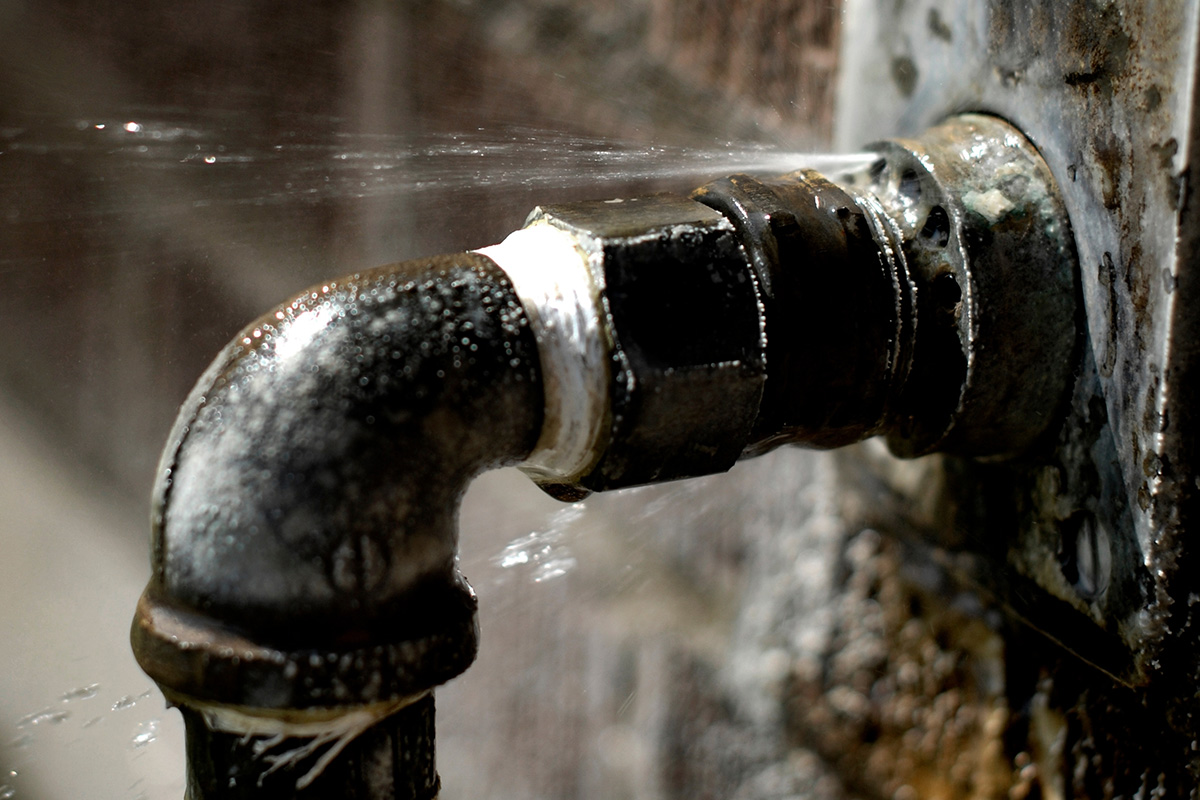

Shower & bathroom tile leakage solutions explained

How to stop water leakage from shower tiles and protect your home
If you’ve spotted damp patches or mould in your bathroom, chances are the issue isn’t the tiles themselves. It’s what’s happening in the gaps between them or underneath. Grout wears down, membranes split, and once that happens, water always finds a path. Before long, you’re dealing with hidden water leakage from bathroom tiles that spreads out of sight and eats away at framing and flooring.
The good news is that leaks can be fixed with the right approach. A true bathroom tile leakage solution doesn’t just cover over the symptoms; it digs in to solve the problem at the source. That means repairing grout, restoring the waterproofing, and making sure the system is fully sealed so you’ve got a permanent solution, not a temporary patch.
In this guide, we’ll share the warning signs to look for, the common causes of leaks, and the steps plumbers take to make your bathroom properly watertight again. The aim is to help you act early, protect your home from serious damage, and keep your bathroom reliably leak-free for the long run.
Why tiles leak: common causes explained
When water starts showing up where it shouldn’t, the first instinct is to blame the tiles. But tiles are only part of the system. The real issues usually come from what surrounds them: the grout, sealant, or the waterproofing underneath. In this section, we’ll look at the most common causes of leaks, so you can see how small failures in the layers around your tiles lead to hidden water damage. Knowing these causes helps you spot problems early and understand what needs fixing to stop leaks for good.
Can cracked or worn grout lines let water in?
Absolutely. Grout is the weakest part of any tiled surface. It’s porous by nature, which means it slowly allows water to seep through even when it looks intact. Add in everyday scrubbing and harsh cleaners, and those tiny gaps open up faster than most people realise.
If you’ve noticed a hairline crack, staining, or even a bit of mildew, that’s a clue that water is already moving through. Once that happens, the only real fix is regrouting and resealing; otherwise, yes, water can leak through grout lines and reach the layers behind your tiles.
What happens if waterproofing behind tiles fails?
The grout and tiles are only your first defence. The real barrier is the waterproofing membrane applied over the cement sheeting or slab. When that membrane fails, water doesn’t just stop at the surface. It runs behind the tiles, soaking into the substrate and spreading further each time the shower is used.
That kind of leak doesn’t just leave damp patches. It can cause long-term structural damage, from swollen floors to rotten framing, and often isn’t visible until it’s too late. If the waterproofing has failed, patch repairs won’t hold; the only solution is to strip back and rebuild the barrier properly.
Can heat or building movement cause tile leaks?
Yes, and it’s one of those problems most people don’t think about. Tiles are rigid, but the surfaces they sit on can shift. In a timber-framed house, for example, the floor isn’t perfectly plumb forever; a little flex or settling is enough to stress the grout. Over time, the adhesive holding the tiles in place can start to degrade, and tiny gaps open up.
That’s all it takes for water to seep through the surface or water to escape into the layers below. These leaks often show up years after the original tiling, and by then the damage behind the walls or floors can be extensive.
Are outdoor tiles really waterproof?
Not by themselves. Even tiles labelled as “outdoor rated” aren’t a guarantee against leaks. They’re more water-resistant than indoor options, but without sealing and a proper membrane, they still let moisture through. Rain, frost, and UV all gradually erode grout and sealants.
We’ve seen plenty of balcony jobs where the aesthetics looked fine on the surface, but the slab beneath was crumbling. Outdoor tiles might look solid, but once water gets into the affected areas, it causes damage that spreads quickly. The only way to keep them watertight is regular sealing and proper waterproofing underneath.
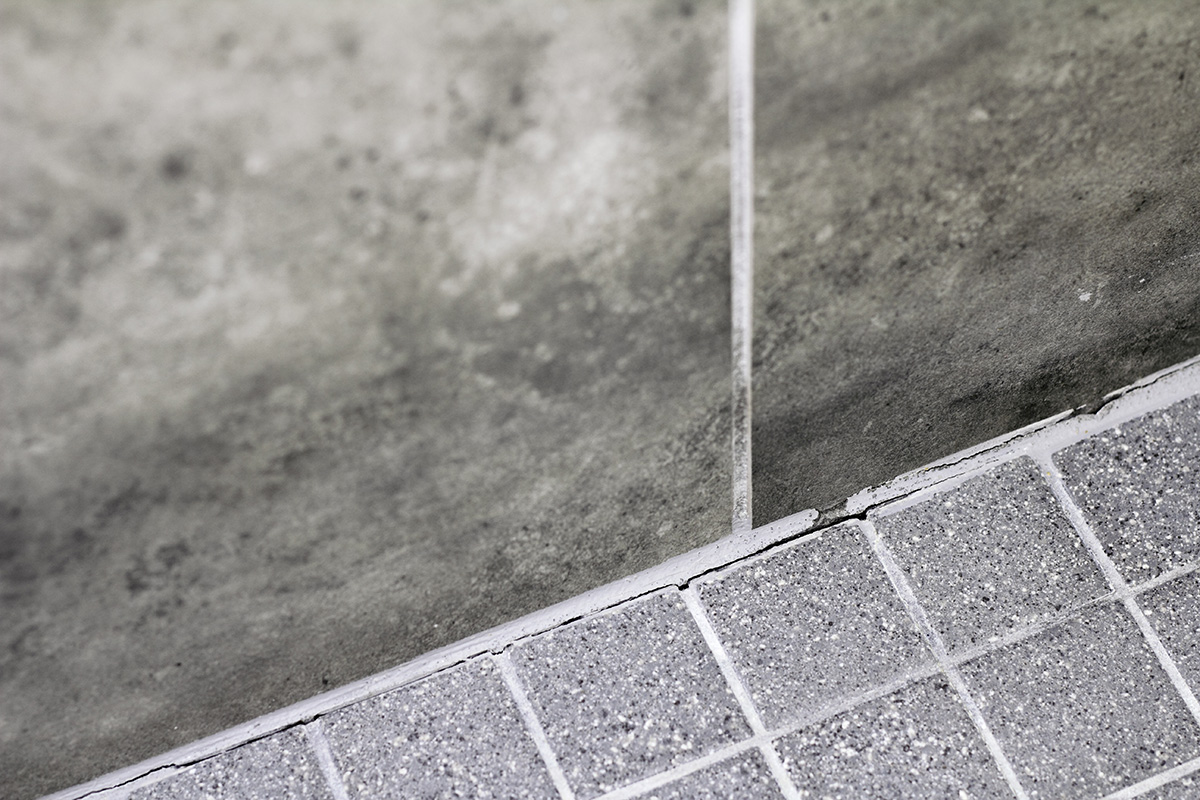
5 unobvious signs your tiles may be leaking
Spotting leaks early can save you from major repairs later. Here are five warning signs we tell homeowners to look out for:
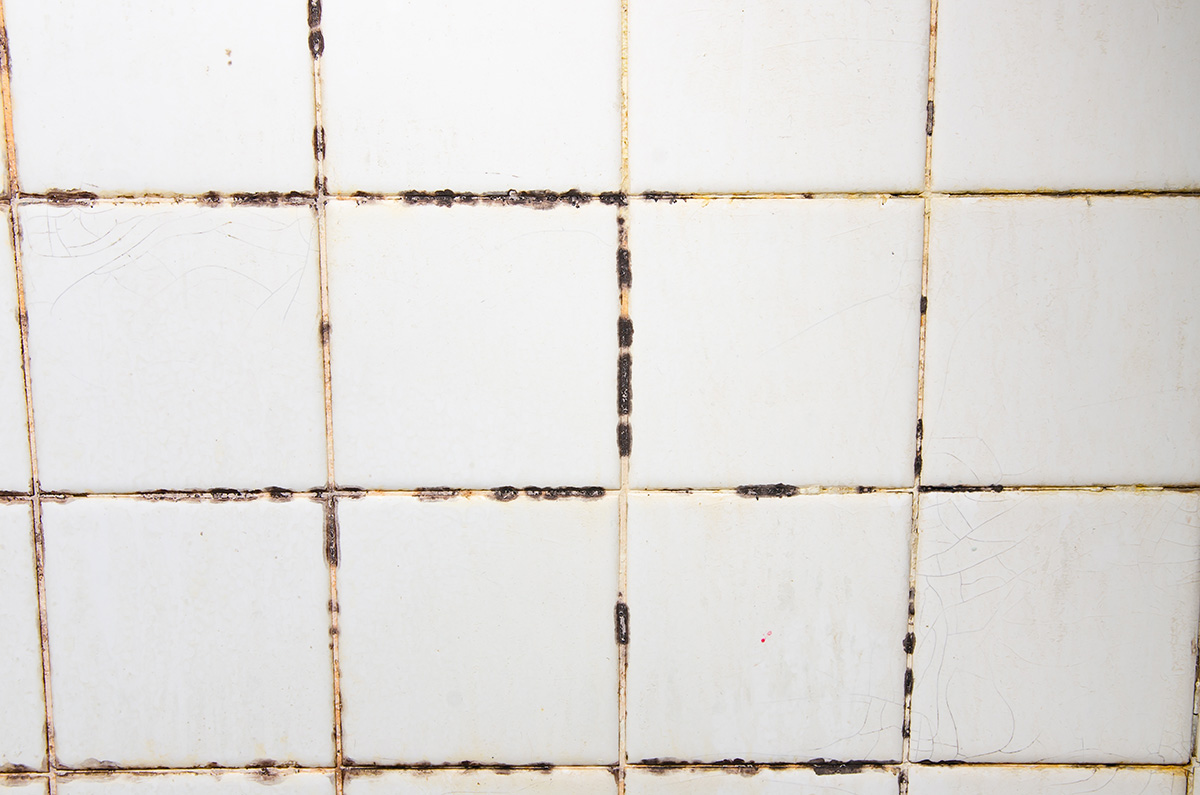
- Mould growth or a musty smell: If you notice a persistent musty smell, it usually means there’s hidden moisture build-up. Even if the tiles look fine, trapped damp behind them is often the first giveaway of a leak.
- Soft, stained, or crumbling grout: Discoloured grout or tiles, or dark water stains, mean water is already getting through. If you don’t re-seal grout regularly and regularly check for damage, it will degrade and let leaks spread.
- Loose or hollow-sounding tiles: When tiles lift easily or sound hollow when tapped, it’s a sign of bigger trouble. These signs of damage often point to a leaky system underneath. Once water causes adhesive to fail, rot can set in, and the only fix is to remove the tiles and fix the underlying issue.
- Damp patches on nearby walls or floors: Moisture can travel further than you think. Water leaking through floor tiles often shows up in skirting boards or other affected areas. In showers, we also see it seep under the shower floor until water is escaping into adjoining rooms.
- A rising water bill with no obvious cause: Hidden tile leaks waste water just like a burst pipe. If the bill climbs and you can’t explain it, it might be water seeping up through tile grout or water leaking through tiles in a shower. We often confirm this by pressure testing and then regrouting the affected area once the leak is repaired.
How plumbers detect water leaks behind tiles
Most of the time, we can track down a leak without removing tiles. Our team uses moisture meters, thermal cameras and acoustic gear to pick up what’s happening behind the surface. That lets us fix a leaking bathroom faster and save you from tearing up a whole wall or floor unnecessarily.
Sometimes, it’s a failed shower seal, and other times, the issue runs deeper and needs a full shower repair. In every case, we work to address the root cause so the leak does not return. That is the difference between a quick patch and a proper solution.
This is the kind of job we handle through our leak detection service, finding the source quickly and giving you a lasting fix.
How to keep tiles waterproof with regular maintenance
Bathrooms aren’t “set and forget.” Even the best job needs upkeep if you want your tiles and grout to stay sealed and your bathroom leak-free. Outright Plumbing is Melbourne’s specialist in plumbing maintenance; here’s what we tell homeowners keen on keeping ahead of any problems:
How often should you seal grout and tiles?
A tile waterproofing sealer doesn’t last forever. The coating wears down with cleaning and daily use, which means water starts creeping in if it’s not reapplied.
- In a family bathroom, plan to re-seal every 12–18 months.
- Look for dull spots on grout or where water no longer beads. That’s the sign it needs fresh waterproof sealant.
- Always cover both the tiles and grout, not just the joints. Skipping the tiles leaves weak spots.
What’s the best way to repair tile cracks quickly?
A single cracked tile or open grout joint can quickly fix a leaking bathroom the wrong way if ignored. The water will travel underneath and spread.
- Don’t just patch over the crack. You need to fix the underlying cause, like movement or loose adhesive.
- For grout, proper regrouting with a flexible product is often better than a quick squeeze of filler.
- If the tile itself is damaged, a tiler can replace it without tearing out the whole wall.
How should you clean tiles and grout to stop leaks?
Cleaning keeps the seal intact and helps keep water on the surface rather than letting water seep in.
- Avoid harsh acids or bleach. They erode the sealer and open paths for water to escape.
- Use a neutral cleaner with a stiff brush to scrub the grout.
- Rinse well so the detergent doesn’t leave a film that attracts more dirt.
- After cleaning, check if water still forms a bead on the surface. If not, it’s time to reseal.
Do gaps around fixtures need to be sealed?
Yes. Gaps around taps, mixers and corners are some of the most common entry points for leaks. Grout is too rigid in those spots, so it cracks.
- Always use silicone or another flexible waterproof sealant around penetrations.
- Keep an eye on the shower seal at the base of the screens. Once it splits, water will get through.
- Check corners regularly. They should flex with the structure, not crumble away.
How does ventilation help prevent tile leaks?
Moisture doesn’t just come from splashing water. Trapped air also causes damage. Bathrooms with poor airflow end up with moisture build-up that eats away at grout and sealant.
- An exhaust fan is essential. Without it, you’ll be showering in a steam room and inviting mould.
- During a renovation, always make sure ventilation is part of the plan, not an afterthought.
- A bathroom shower without proper airflow will age years faster than one with good circulation.
- Adequate ventilation helps prevent costly water repairs by keeping surfaces dry between uses.
[H2] Call Outright Plumbing for tile leak repairs and waterproofing
When it comes to shower leaks, trust the team that fixes the problem at its source. Here’s why homeowners call us:
- Licensed plumbers who follow Victorian Building Authority standards
- Moisture detection gear to find leaks without ripping up your whole bathroom
- Targeted solutions from regrouting to full shower repair
- Over 600 five-star reviews from families across Melbourne
- Reliable, local professional service for all your shower plumbing needs
Stop small leaks before they turn into costly damage. Call Outright Plumbing today for a lasting solution.

.webp)