
Why is my double sink backing up on one side?
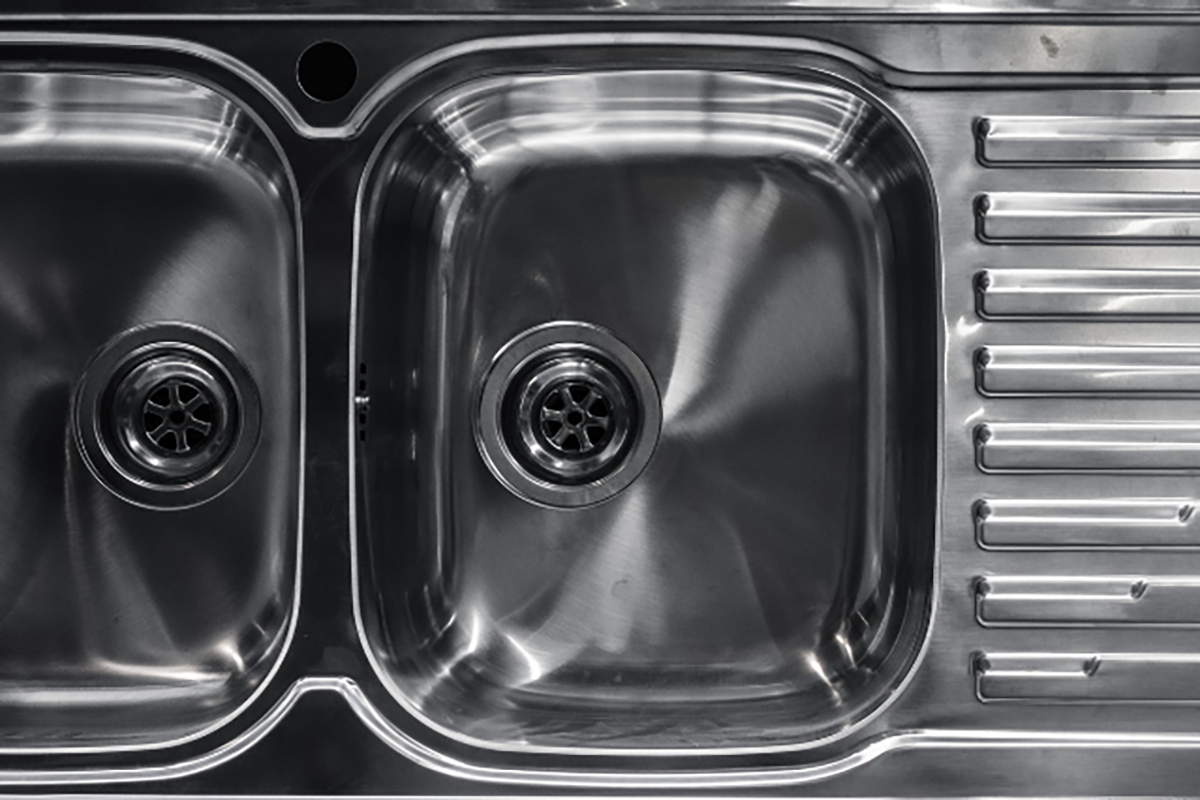
A double sink is meant to make life easier, not harder. When dirty water starts bubbling up in one bowl while the other looks fine, it’s a sure sign something’s not right. Outright Plumbing will talk through the likely causes and solutions, from simple checks you can do yourself to when it’s time to call us in.
Why your sink is backing up: an introduction
When we get a call about a kitchen sink backing up into the other side, it’s usually because someone has just finished the dishes and noticed dirty water sitting where it shouldn’t be. A double sink blocked can stop you from using the whole bench, and before long, you’re staring at a backed-up sink drain, wondering what to do next. Some people see water coming back up the kitchen sink drains every time they run the tap, while others end up with a double kitchen sink clogged on both sides. However, it shows up, and it makes the kitchen unusable.
The important thing to know is this: a sink backing up on both sides is a nuisance, but it’s rarely a disaster. With the right approach, dealing with a double kitchen sink problem usually comes down to a handful of simple checks.
Outright Plumbing’s got your back. We’re going to explain what’s happening, why it’s clogging, and what you can do about it yourself if you’re feeling the DIY spirit call to you. And, if that doesn’t work, you know we’re only a call away. Let’s get into it.
.webp)
How a double sink is meant to work
In most homes, the two bowls are set up with separate lines that eventually meet in a shared connection — that’s your double sink drain plumbing. Each bowl has its own double sink drain pipe, but they join together before linking into the main household drain.
When everything is clear, a double kitchen sink drain works just as it should: both bowls empty without fuss, and the water disappears without backing up. Think of it like a dual lane road that narrows further down: if traffic keeps moving, nobody notices the merge.
The design lets you use the sides of the sink separately, whether you’re rinsing dishes on one side of the sink or filling the other for soaking. It’s all part of keeping a functional kitchen, and having a side of your double kitchen available for each job makes everyday tasks a lot easier.
Why does one side of your kitchen double sink back up into the other
Once you know how the drains are supposed to work, it’s easier to see why things go wrong. If water starts moving from one bowl into the other, it usually comes down to just two possibilities. The first is a blockage: food scraps, grease, or soap building up until the water has nowhere else to go. The second is a plumbing design issue, where the pipework under the sink hasn’t been set up with the right slopes or vents to keep everything flowing properly.
The good news is that either way, the problem is fixable. In the next sections, we’ll look more closely at how everyday blockages form, how design flaws cause slow drains or backflow, and what you can do about both.
Everyday blockages
The most common causes of a slow or backed-up double sink are the things that end up down the drain every day. A build-up of grease, soap, or food particles is enough to restrict water flow and eventually create a blockage. Once that happens, it doesn’t take long before you notice standing water in the bowl or smell stagnant water sitting in the pipes.
These are the common causes of a double sink backing up that we see time and again. Even if you’ve got a garbage disposal unit, food waste can still stick and harden further down the line. Any small obstruction left to grow will eventually prevent water from flowing freely.
In most cases, the trouble is simply due to a clog. Once clogs in a double sink form, one side may drain while the other fills, or both bowls may back up together. That’s why it’s so important to avoid letting the wrong things wash down in the first place.
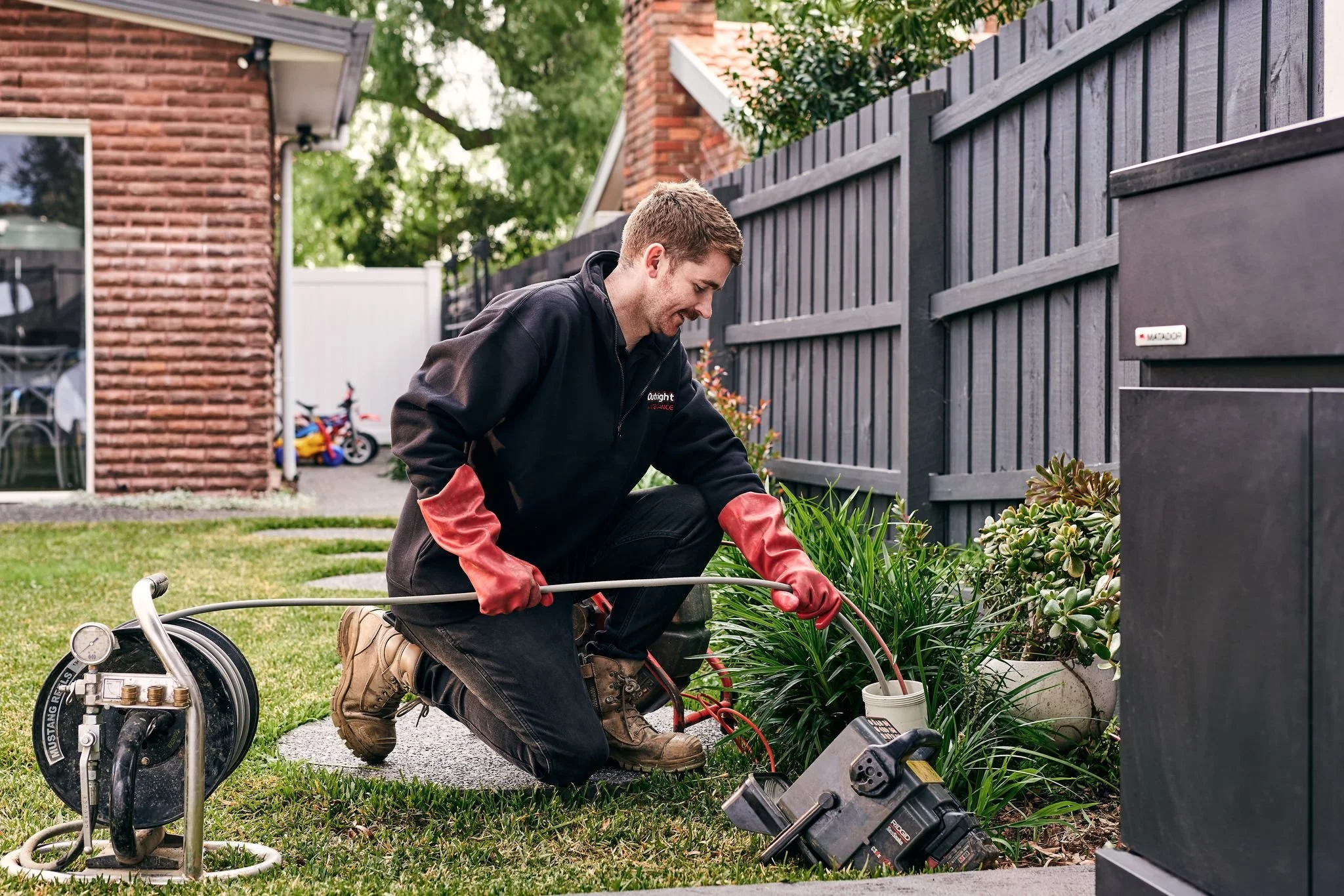
If you’re already dealing with a clog or blockage, it may be time for more than just a quick DIY fix. Outright Plumbing’s blocked drain plumbing experts can clear the line properly and help stop it happening again.
Plumbing design issues
Sometimes the trouble isn’t what goes down the drain but how the plumbing system itself has been put together. If the pipework under the bench doesn’t have the right slope or venting, water can slow or reverse direction. You might see a double kitchen sink simultaneously start to struggle, or notice that one or both sides of your double kitchen sink to back up without an obvious cause.
In other cases, only one sink gives you grief while the other looks fine. A vent stack is clogged, or there’s a hidden kink in the line, and suddenly one side of your sink starts backing up. Even issues like hard water leaving deposits inside the pipes can make a small problem worse.
These are design or installation faults, and they’re not your fault. The important thing is spotting the reason for one sink backing up so it can be fixed properly. That’s where professional tools make a difference. A quick check with our drain camera inspections will show exactly what’s happening inside the pipework, so we can plan the right repair and stop the problem from coming back.
.webp)
Signs your sink problem is more serious
Not every slow drain is caused by a bit of food or grease. Sometimes the symptoms indicate a more serious issue hidden deeper in the system. Keep an eye out for these warning signs:
- Your sink is still full after you’ve plunged or snaked it, showing the problem isn’t just at the surface.
- One side clears while the other immediately refills, suggesting pressure or venting issues.
- The water level rises in both bowls at once whenever you run the tap.
- Gurgling sounds come from nearby drains when the kitchen sink is in use.
- Water backs up into other fixtures, such as the dishwasher or laundry tub.
- Persistent odours of sewage or stagnant water linger even after cleaning.
- You notice slow drainage throughout the house, not just in the kitchen.
When you see these red flags, it’s time to call a professional. A plumber can quickly trace the fault, whether it’s a blocked vent, a collapsed pipe, or something further down the line, and stop the issue from getting worse.
What you can try before calling a plumber
If the problem is just a small blockage, there are a few safe steps you can try at home. These methods are simple, low-risk, and often enough to get water moving again. Just remember: if the problem keeps coming back or gets worse, that’s a sign it needs more than a quick DIY fix.
Use a plunger properly
A plunger is often the first and best tool to reach for when your double sink slows down. The trick is to set it up properly so it has enough pressure to move the clog. Here’s how to use a plunger step by step:
- Start by filling the problem bowl with just enough water to cover the rubber cup. This helps create a good seal.
- Next, cover the other sink drain to create a vacuum. You can use a wet cloth or even the palm of your hand. If air escapes through the second drain, the plunger won’t work.
- Place the plunger firmly over the blocked side and cover the drain completely. Press down slowly at first, then give a few strong pushes and pulls without lifting it off the surface.
- After about 15–20 pumps, lift the plunger and see if the water drains away. You may hear the clog shift as the pressure changes.
- Run a little warm water down the drain to test it. If it still drains slowly, repeat the process a couple of times.
Using a plunger this way is safe for your pipes and usually enough to clear small blockages. If it doesn’t get things moving after a few attempts, don’t worry: there are other tools you can try before calling in a plumber.
Try a drain snake
If plunging hasn’t cleared the problem, the next step is to use a snake or auger. This tool is designed to reach deeper into the pipes, twist through tight bends, and physically break up or pull out blockages.
Here’s how to use one safely at the sink:
- Place a bowl or drainer under the pipes before you start, as water may spill out. Always catch any water that escapes so it doesn’t make a mess under the cabinet.
- Loosen the fittings and carefully remove the p-trap (that’s the curved section of pipe directly under the sink). Empty it into your bowl and check inside, since small clogs often collect here. Give the p-trap a quick rinse before putting it back.
- If the trap looks clear, feed the snake into the drain line slowly, turning the handle as you go. Keep going until you feel resistance, which means you’ve reached the clog.
- Rotate the snake firmly but gently to break up or dislodge the clog. Some snakes are designed to grab debris, while others push through it.
- Pull the tool back out carefully and wipe it clean. Re-attach the trap, then run some water through the sink to ensure the clog is completely cleared.
This method can be very effective, but it’s not foolproof. If the snake keeps hitting solid resistance, or if you find yourself taking the pipes apart often, it’s time to stop and let a plumber take over. Forcing the tool too hard risks damaging the pipework.
Why call Outright Plumbing
When DIY doesn’t clear the problem, you want to know that the plumber you call can sort it quickly and properly. That’s where we come in. Outright Plumbing is a Melbourne team you can rely on. We live and work locally, so when your kitchen is out of action, we’re never far away.
Here’s what you can expect when you call us:
- Same-day service: If your sink’s blocked, we’ll prioritise getting you back on track fast.
- Fixed pricing: You’ll know the cost upfront, with no hidden surprises.
- Licensed plumbers: Every job is handled by qualified professionals who do the work safely and properly.
- Guaranteed results: We stand behind our repairs so you can get on with your day without worry.
Whether it’s clearing stubborn clogs, checking for design faults, or carrying out preventative care, we’ve got the tools and experience to keep your kitchen working as it should. If you’d like ongoing peace of mind, our plumbing maintenance service is a great way to stop future blockages before they start.