
Can a clogged washing machine drain impact my machine's performance?
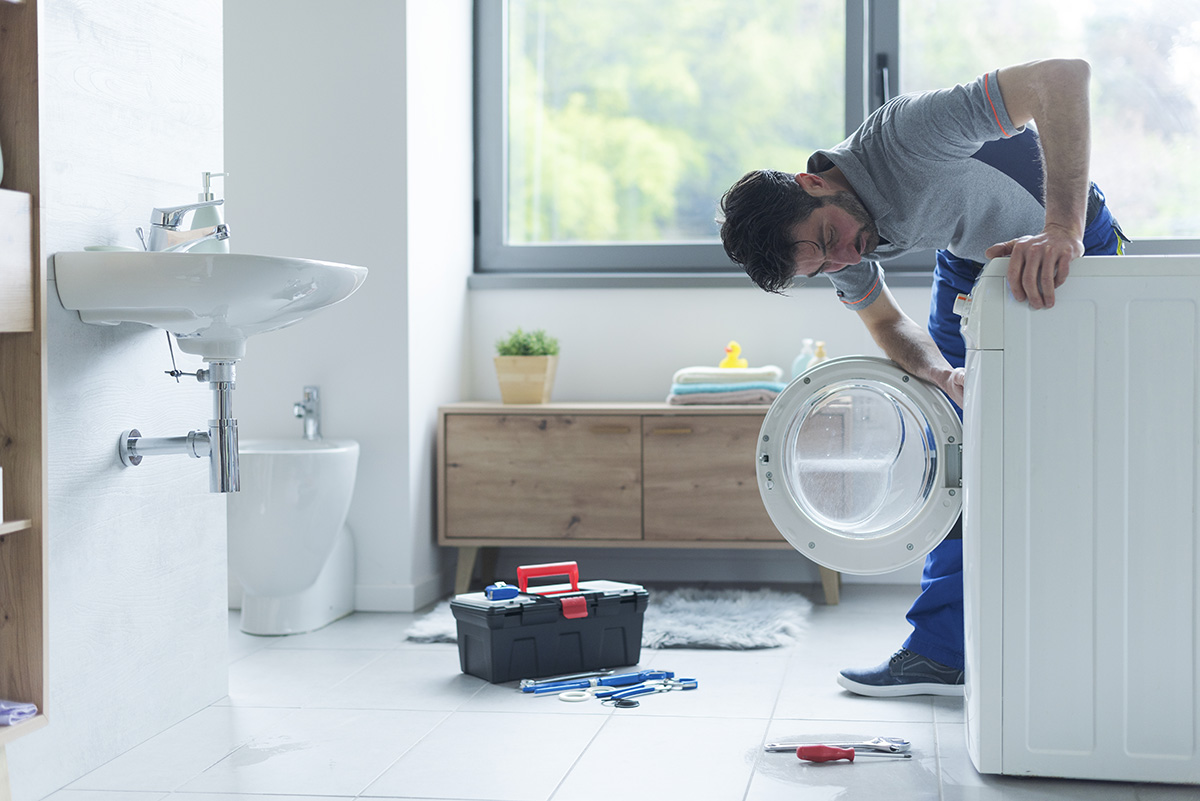
It can, and we see it all the time. A drain that isn’t clear can send dirty water back into your machine, stop it from draining properly, and put strain on the pump. Left too long, it can even shorten the life of your washer.
In this guide we’ll walk you through why that happens, the signs to look out for, and a few things you can check yourself. We’ll also explain when it’s smarter to call in a plumber so you don’t waste time or risk making it worse.
At Outright Plumbing, we handle washing machine drain plumbing problems for families across Melbourne every week. With more than 600 five-star reviews, you can trust our plumbers to know exactly how to fix a blocked drain. Stick with us and you’ll have a clear picture of what’s going on with your washing machine and what to do next.
How washing machine drain plumbing problems affect performance
When your washing machine isn’t draining the way it should, the problem often starts in the plumbing. The pipes that carry water away can get blocked, narrowed, or set up in a way that doesn’t let water move freely. Once that happens, it doesn’t just slow the cycle down; it affects how well the machine cleans, how hard it has to work, and even the state of your laundry room.
There are a few common ways a blocked or sluggish drain shows itself:
- Sometimes dirty water backs up into the drum instead of flowing out.
- Other times the pump has to work overtime, which wears parts out faster.
- In bad cases, the water has nowhere to go and ends up on the floor.
- Often, the first sign is the smell, as stagnant water starts to linger in the pipes.
Let’s break each of these down so you know what’s happening and what to watch for.
Water backing up into the machine
A clogged washing machine drain means the water has nowhere to go. The discharge hose fills up, causing the water to back up into the drum. Instead of draining properly, the cycle stalls and clothes are left soaking. When the water flow is blocked badly enough, you end up with a washing machine drain overflow.
Strain on pumps and parts
A blocked washer’s drain line is one of the most common plumbing issues we come across. The machine pushes water through the plumbing system every drain cycle, and when it meets resistance, the washing machine’s pump has to work much harder. That pressure can eventually lead to leaks that might damage your home (our hidden leak detection plumbers won’t let that happen).
Pro Tip from our plumbers: We were recently called to a home in Brighton where the washing machine pump had burned out. The real problem wasn’t the machine, it was years of resistance in the washer’s drain line. Catching a blockage early could have saved that customer a $600 pump replacement. If your machine sounds like it’s straining during the drain cycle, don’t ignore it.
Overflow and flooding risks
When drains back up and overflow, water often spreads around the laundry sink and can pool near the floor drain. If it reaches the water supply lines, the risk of water damage grows. Sorting it quickly is the only way to prevent water damage.
Odours and hygiene problems
A blocked lint trap or filter often leaves dirty water sitting in the machine. The simplest way to stop smells building up is to clean your washing machine regularly, make sure the washing machine regularly runs full loads, and now and then run an empty cycle to flush everything through.
Signs your washing machine has a blocked drain
It can be tricky to tell whether the problem is the appliance itself or the plumbing connected to it. Here are the warning signs that point to a drain issue rather than a broken machine.
Standing water in the drum
When a cycle ends and water is still sitting inside, the washing machine's drain pipe or drain line is likely blocked. Instead of flowing out, the end of the drain fills up. A clogged drain stops the machine from emptying as it should.
Clothes not coming out clean
Soap and dirty wastewater should flush away during the rinse. If the hose isn’t clear, the water lingers, and clothes don’t come out fresh. These drain issues are one of the main causes of trouble with washing machine drains.
Slow draining or interrupted cycles
A blocked washer drain can cause the cycle to drag on or stop halfway. If the hose is inserted too far into the pipe or hits a tight bend, the flow slows down. Sometimes a drain auger is the only way to get things moving again.
Pro Tip from our plumbers: If the hose is inserted too far into the standpipe, it creates a siphon effect that stops water from draining. We see this mistake often when new machines are installed. The hose only needs to sit about 15cm into the pipe. Any deeper and you’re asking for clogs and backups.
Persistent bad smells despite cleaning
A blocked standpipe traps dirty water, and no amount of surface cleaning will help. If you can’t reach the clog, the smell will stay. When water drains slowly or not at all, it’s worth taking time to locate the drain and check what’s happening deeper in the line.
What you can do about a blocked washing machine drain
There are a few simple things you can check yourself before calling in a plumber. These jobs are safe to try at home and can often clear out small blockages.
Check and clean visible drains
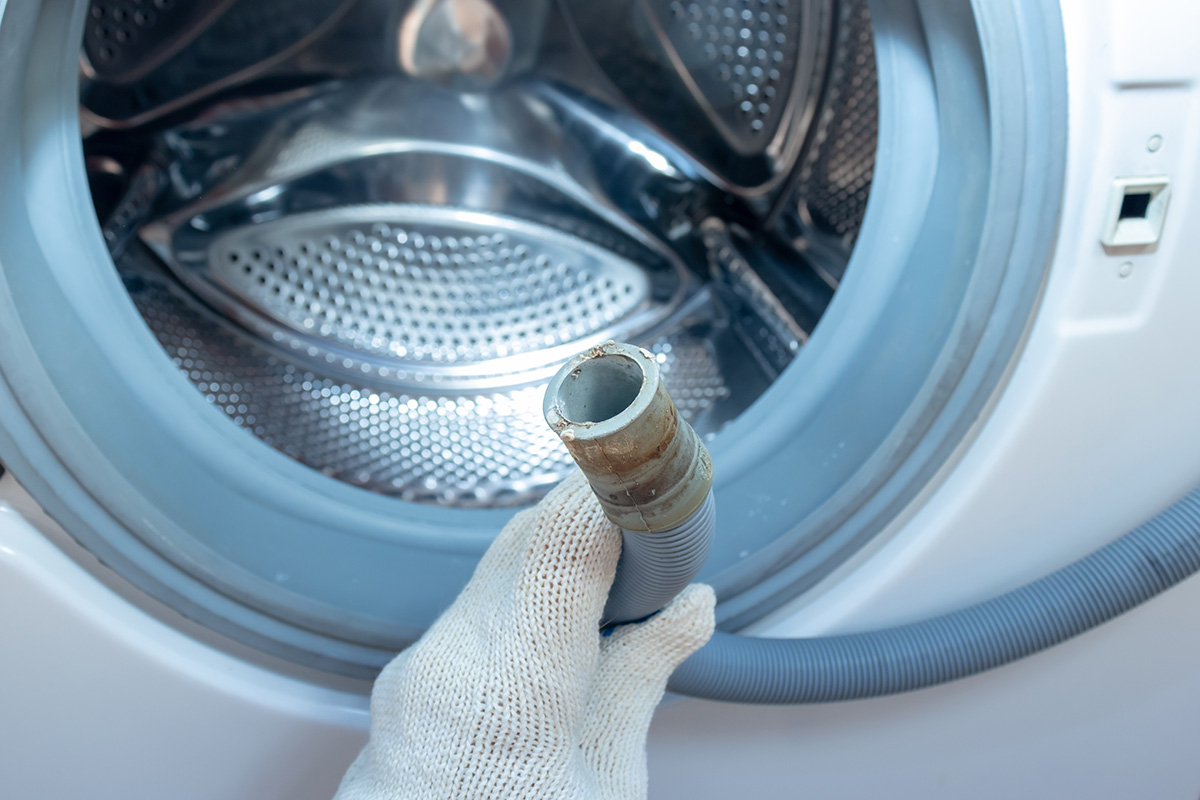
Start by looking at the connections you can reach. Check and clean around the hose entry and see if anything is caught. If you’re confident, try cleaning the drain hose by removing it. To remove the drain hose, undo the hose clamp and gently ease it off with a pair of pliers. Always have a bucket handy, because water may spill when you disconnect it.
Look for lint, soap scum, or build-up in hoses
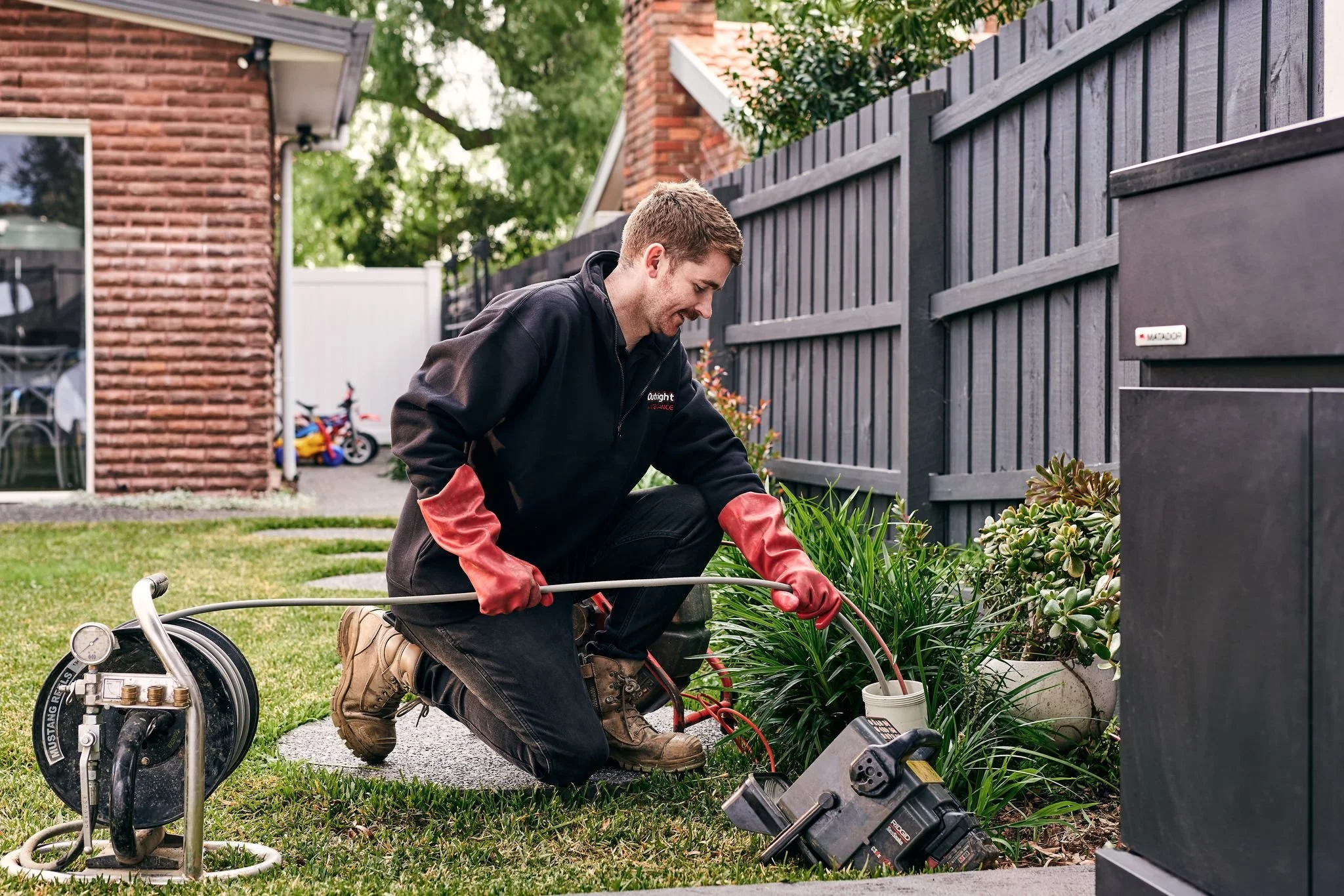
The hose is often where problems start. Make sure the hose connects firmly at each end, and check for soap or lint inside. If needed, attach the drain hose from your washing machine again after clearing it. You may need to disconnect the hose completely to clean it out properly. Feeding a tool like a small auger or snake into the drain can help clear the clog if it’s deeper in the line.
When DIY stops working
If you’ve tried these steps and the problem remains, it’s time to stop. A small DIY fix is fine, but pushing further without calling a plumber can make things worse. Sometimes you can fix washing machine drain issues yourself, but if the pipes are damaged, you may need to replace sections. How long it will take to fix depends on what’s found, but a plumber will diagnose it quickly and safely.
How to prevent future washing machine drainage problems
Once the immediate problem is sorted, a few simple habits can keep your drains clear and your machine running without fuss.
Regular drain maintenance
Little steps go a long way. Simple checks help spot trouble early and help prevent bigger issues later. Regularly scheduled plumbing maintenance will keep your washing machines in good spec. You could even do that yourself with a bitof baking soda and vinegar run on the hottest cycle (though don’t put them in at the same time; run them separately).
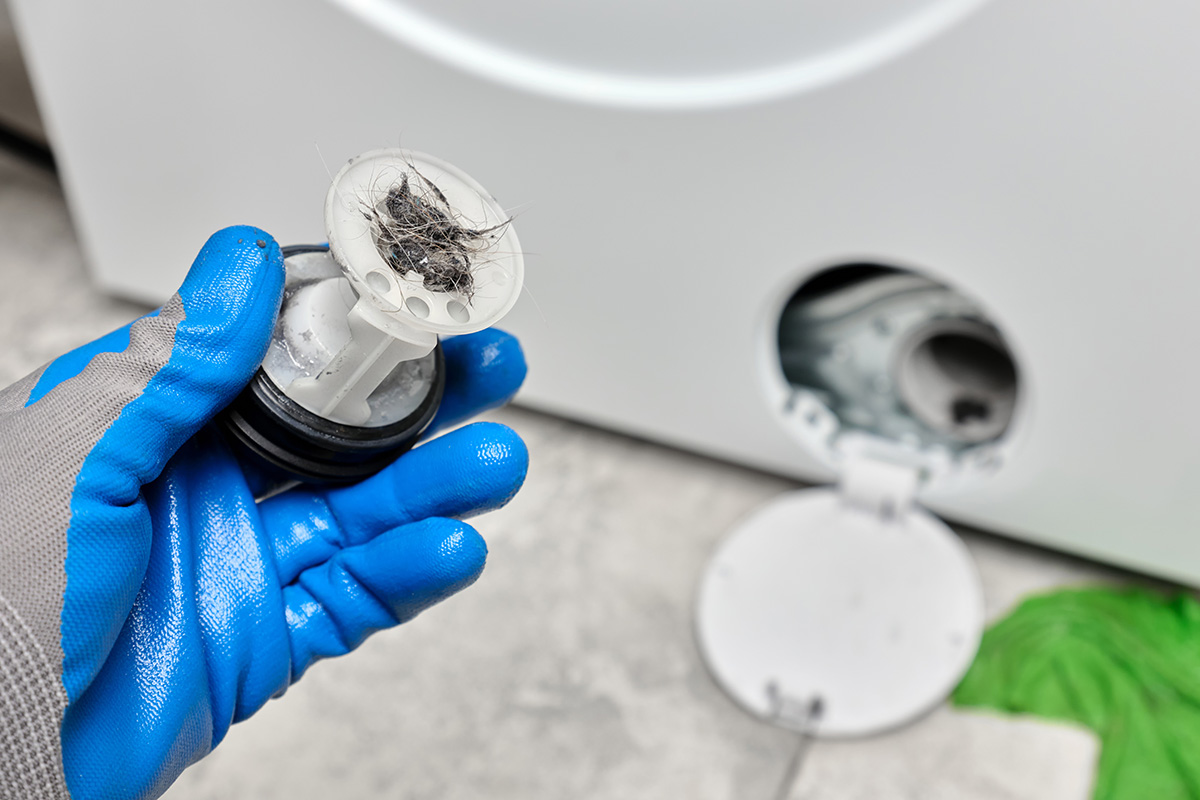
Pro Tip from our plumbers: In one home we serviced, the customer thought their machine was broken. All it needed was the pump filter cleared out — we pulled out two hair clips, a $2 coin, and a ball of lint the size of a golf ball. Checking that filter every couple of months is one of the easiest ways to prevent blockages.
Using the right detergent and loads
Too much soap or powder creates residue that slows drainage. Heavy loads shed more lint, which adds to the problem. Sticking to the right detergent and load size is a simple way to keep the machine running smoothly. Good habits here are part of smart home improvement projects and make a difference to your plumbing in the long term.
Professional inspections for repeat blockages
If you’re dealing with regular drain issues, having a plumber assess the system is the safest option. Professional plumbing repairs can spot cracks or hidden build-ups that cause repeat problems. For ongoing peace of mind, it’s worth knowing you can always contact a professional plumber when needed.
Professional help for washing machine drain issues
A blocked washing machine drain can be frustrating, but it doesn’t have to take your whole laundry out of action. If DIY hasn’t worked or you suspect a bigger issue, like a problem in the main sewer line or a pipe may be damaged, it’s time to contact a professional plumber.
This is where Outright Plumbing makes the difference. We’re Melbourne locals with more than 600 five-star reviews, trusted by families who know we turn up when we say we will. Here’s what you can count on when you call us:
- Same-day help when you need it most.
- Fixed upfront prices so you know the cost before we start.
- A quality guarantee on all our work, so the job is done right the first time.
We know how to fix the problem properly, whether it’s a simple blockage or a deeper fault in the system. In fact, if performance and water efficiency are what’s most important to you, we can help you install a new washing machine with a higher WELS rating. Whatever you choose, know that Outright Plumbing has your back.