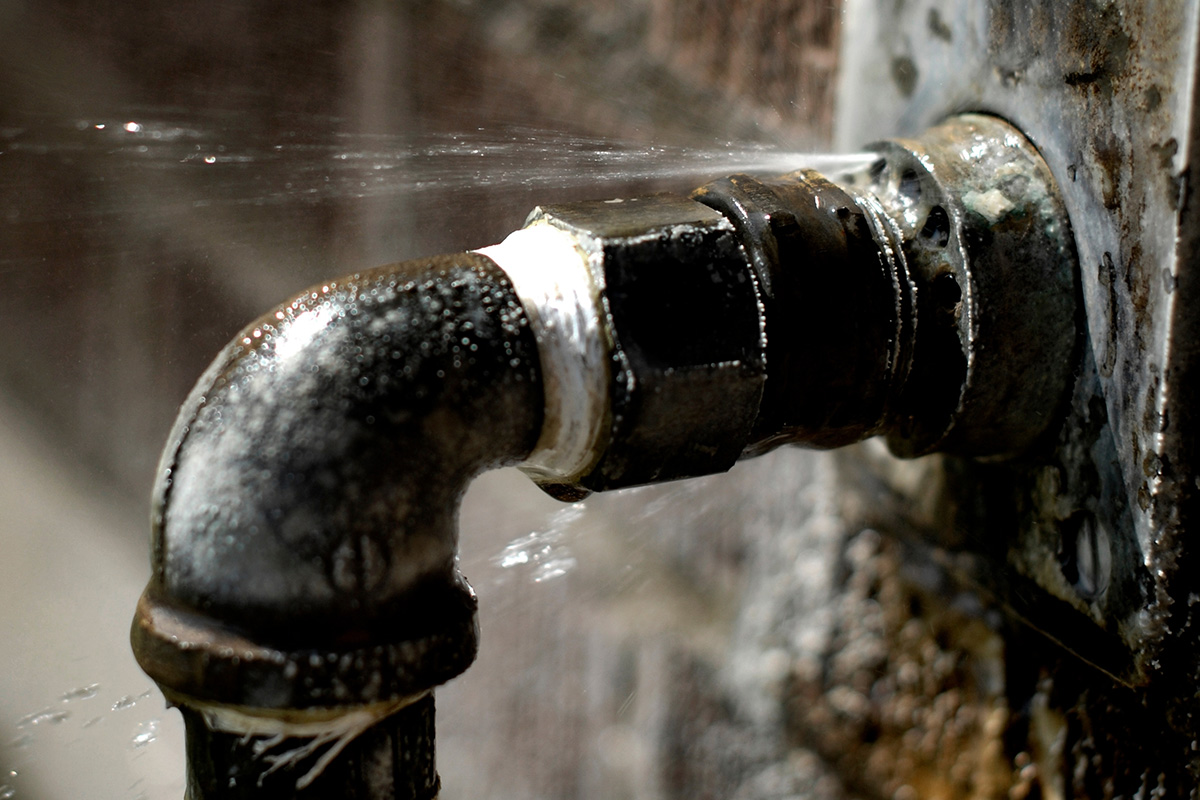

What causes cracked pipes under your house, and what you can do about it
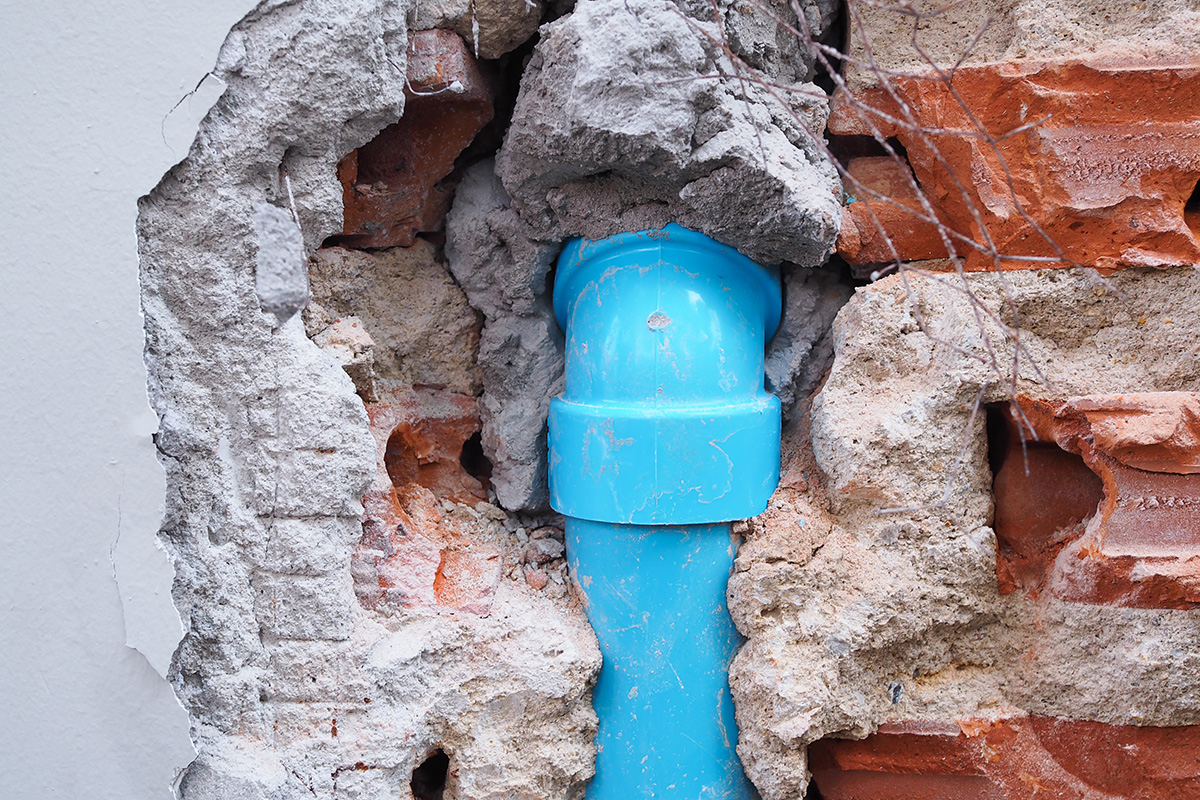
Why burst pipes cause more trouble than you think
Finding out you’ve got a burst pipe under the house is never just a small inconvenience. We’ve seen homeowners try to mop up or patch things on their own, only to find water still moving through the plumbing system and carrying waste throughout their home where it doesn’t belong. What starts as a trickle can turn into a headache that spreads fast.
The thing about pipe cracks is that they rarely show up overnight. Broken pipes usually start with a tiny weakness — a bit of corrosion here, a bit of shifting soil there. Left alone, that little plumbing issue becomes one of those big plumbing problems that makes you wish you’d caught it sooner. And when a pipe does burst, it never waits for a good time. You end up looking for water in the one place you don’t want it: under your house.
In this guide, we’ll share the causes of cracked pipes we see most often around Melbourne, the steps you can take right away if it happens to you, and how a licensed plumber can fix the damage before it gets worse.
5 common causes of cracked water pipes
After years of plumbing across Melbourne, we’ve noticed the same issues popping up time and again. There are a few common reasons for pipes to give way, and once you understand them, it makes a lot more sense why cracks appear where they do.
Each cause of burst pipes has its own story — sometimes it’s the pressure inside, sometimes it’s what’s happening outside in the soil. The truth is, whatever causes pipes to burst can creep up slowly until, one day, the pipe finally gives in.
Here are the five we come across most often in local homes.
1. Age and wear
Pipes cop a lot of wear and tear over the years. In Bayside (where we usually work), we often find older pipes (clay or galvanised) that have been sitting there for decades and are slowly losing strength.
As pipes over time begin to weaken, the stress shows up at weak spots like pipe joints. What starts as hairline cracks can quickly grow, leaving you with leaks or full breaks underground.
2. Corrosion and material weakness
With metal pipes, it’s not just age that does the damage. It’s corrosion. We see plenty of lines where rust has eaten through from the inside out.
If you’ve got hard water, it speeds things up, thinning the pipe walls until they’re fragile. To the eye, they may look fine, but inside, they’re often one knock away from failing.
3. High or fluctuating water pressure
Consistently high water pressure might feel nice in the shower, but over time, it’s one of the quickest ways to damage pipes. Excessive water pressure puts strain on joints and weak spots until cracks start to form.
Even sudden changes can cause problems. When pressure spikes, the force inside the line shifts quickly and that pressure can lead to cracks spreading. We’ve seen it first-hand: one family in Cheltenham had such force running through their mains that the flow of water split an old copper line wide open overnight.
4. Tree roots and ground movement
If there’s a tree root looking for moisture, your pipes are fair game. Roots are naturally in search of water, and once they find a tiny gap, they’ll force their way in.
It’s not just trees. Underground pipes could crack if the soil shifts, especially in Bayside, where sandy ground moves more than clay. Add the pressure of a driveway or heavy soil on top of buried pipes, and small weaknesses quickly turn into bigger breaks.
5. Cold weather and frozen pipes
Melbourne doesn’t get extreme freezes, but we still see issues in the hills and outer suburbs where nights get colder. When water freezes inside a pipe, it expands and creates cracks or bursts.
Frozen pipes aren’t as common here as overseas, but they can still put pressure on fittings. If you’ve got a hot water system outside, or especially an older gas hot water unit, it’s worth insulating the exposed lines to stop cold snaps from causing problems.

Pipe materials and why they crack
The type of plumbing pipes under your house usually depends on when it was built. Each material behaves differently, and each comes with its own risks.
PVC
Most newer homes use PVC. It’s lightweight and affordable, but it can turn brittle over time. A shift in soil or added pressure inside the pipes can be enough to leave you with a damaged pipe.
Clay
Common in heritage homes, clay cracks easily under stress. We’ve seen large tree roots push straight through them, leaving whole sections compromised.
Galvanised steel
Many mid-century homes still have galvanised lines. They’re strong when new, but they corrode from the inside out. By the time the rust is obvious, the walls are often too thin to save.
Copper
Copper is durable, but it isn’t immune. Decades of use and small shifts in pipe joints eventually wear it down. That’s when a replacement pipe or modern repair method is needed.
If your home still relies on older materials, pipe relining is often a better option than digging everything up. It reinforces the existing line and adds decades of life to your system.
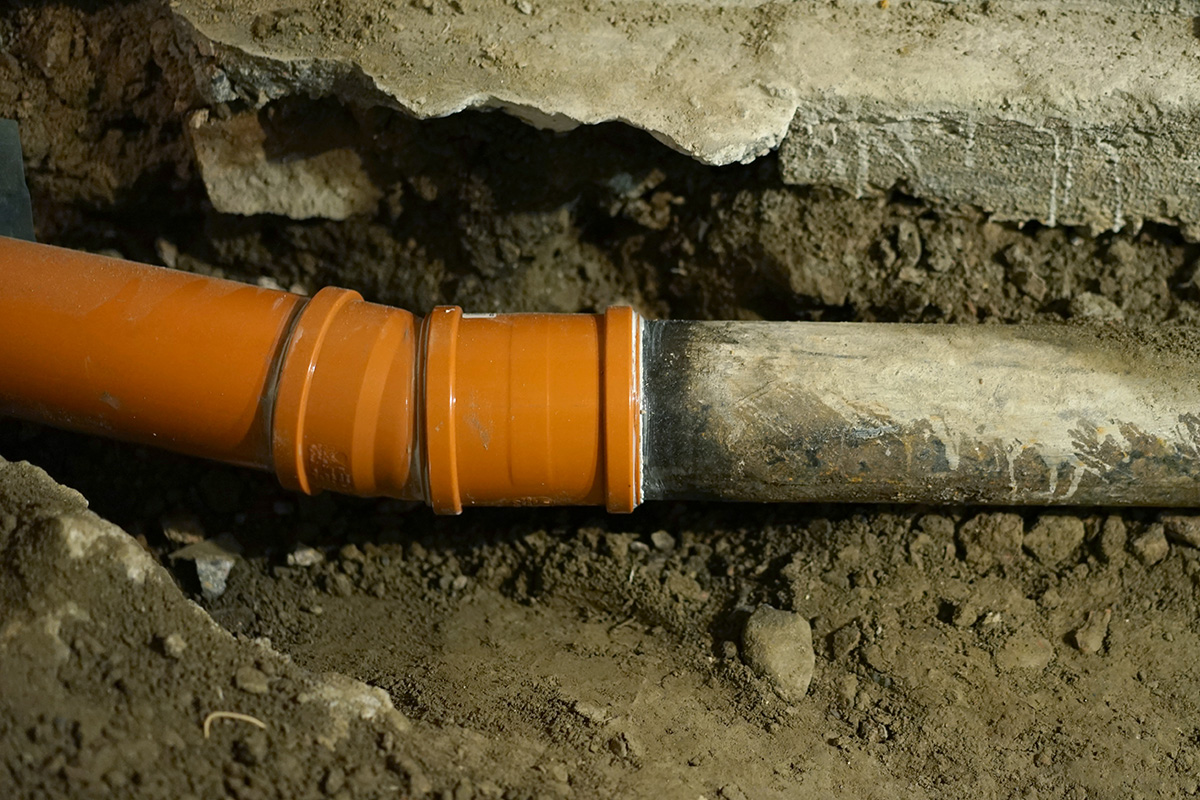
How to repair a cracked or damaged pipe
If you’ve discovered damaged or cracked pipes, the most important thing is to stay calm and take clear steps. A small leaking pipe can quickly lead to leaks elsewhere, and we’ve seen plenty of jobs where those small issues escalated into full leaks and burst pipes.
The best way to identify the cause of pipe damage to your home is to act quickly and then call in a licensed plumber. Some jobs might look simple on the surface, but without professional tools, it’s impossible to see the bigger picture. That’s why it’s always safest to bring in our burst water pipes specialists as soon as you can.
Here’s the process we recommend before help arrives.
1. Turn off the water supply
The first step is to turn off the water at the mains. Look for the stop tap near your front boundary or close to the meter. When you shut off the water supply, you’re cutting the water flow into the system, which stops more from escaping through the crack. If you’re not sure where the valve is, it’s worth finding it now — before an emergency — so you’re not scrambling when it matters.
2. Drain the system
Once the water supply is off, open your cold taps and flush the toilets. This clears leftover water and pressure from the line. It’s a simple step, but it stops water from sitting there and turning a crack into a burst. If you’ve got a slow clog or blockage in the system, this is also a good chance to check how the water clears. A line that drains poorly may already have blocked pipes that need attention.
3. Protect your home and garden
Even with the mains off, water can linger around the crack. Mop up spills quickly, move valuables away, and keep an eye on areas where water damage could spread. We’ve seen small leaks cause damage to cabinetry, flooring, and landscaping within hours. Acting fast here is one of the best ways to reduce long-term damage to your home.
4. Call a licensed plumber
Temporary fixes won’t hold. The safest move is always to call a plumber who can diagnose the whole system. Depending on the extent of the problem, we may carry out a straightforward pipe repair or use modern methods like pipe relining to restore the line without digging up the garden. Either way, professional help ensures the job is done right the first time.
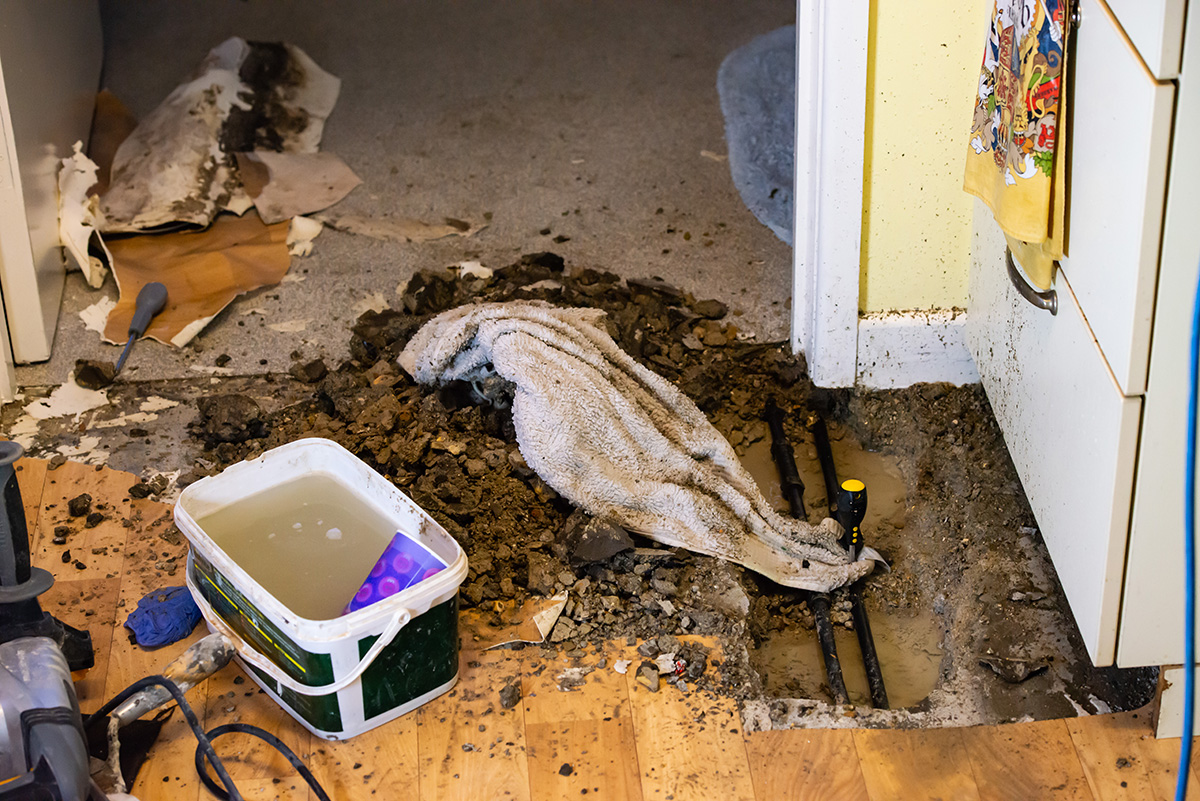
No, you can't DIY the repairs on cracked pipes under your house
We’ve been called out to plenty of homes where someone tried a patch kit after dealing with a burst line. The fix never lasts — once the pressure comes back on, the joint fails, and they’re soon dealing with burst pipes all over again.
The problem is that underground pipes can be damaged in more places than you can see. A shoddy patch job in your plumbing can send the problem deeper into the neighbourhood's system, and you don't need us to help you imagine the damage pipes can cause to a street. That's why the Victorian Building Authority demands (rightfully) that a licensed plumber be the one to deal with these issues.
How to prevent cracked pipes
The good news is you can take a few simple steps to lower the risk of cracks forming. Most issues come from exposed pipes, pressure that’s too high, or systems that haven’t had a check-up in years. Here are four practical ways to stay ahead of the problem. These are just simple tips that help keep your pipes from freezing, ease the strain on joints, and prevent burst pipes and plumbing emergencies.
- Monitor and manage water pressure
We often see pressure regulators set too high. Anything over 500 kPa puts stress on joints and fittings. That pressure can lead to fine cracks in copper or brittle PVC. If your water flow suddenly feels stronger than usual, it’s worth checking your regulator or having us test the mains. - Insulate and protect exposed pipes
We’ve repaired plenty of cracked lines where nothing more than foam insulation would have saved the pipe. Garden taps and outdoor hot water feeds are the most common exposed pipes we see. Wrapping them properly is cheap and effective, and it helps keep your pipes from freezing in the colder pockets of Melbourne’s south-east. - Regular maintenance and leak detection
The smallest drip under a sink or damp patch in the garden can be the start of a plumbing emergency. We use acoustic listening gear and CCTV cameras to spot cracks long before they become a pipe burst emergency. Getting a system checked every couple of years is a lot cheaper than dealing with the aftermath of a flood.
Keep an eye on older plumbing systems
Many heritage homes still have older pipes made from clay or galvanised steel. These pipes over time become fragile. We’ve dug up clay lines in Hampton that crumbled in our hands. If your home is 40+ years old and hasn’t had major plumbing work, it’s worth budgeting for upgrades before the cracks appear.
Call Outright Plumbing for cracked pipe repairs
When you’re facing a cracked or burst pipe, you don’t need the stress of figuring it out alone. Our licensed team provides same-day callouts, backed by more than 600 five-star reviews from Melbourne families who trust us to get the job done right.
With Outright Plumbing, you can count on:
- A local emergency plumber who turns up when we say we will.
- Transparent and fixed pricing with no surprises.
- Professional clean-up so your home and garden are left tidy.
- The right tools and training to turn a plumbing emergency into a quick repair.
Whether it’s standard plumbing services or urgent emergency plumbing services, we’re here to help. If you’ve noticed the signs of a cracked pipe, don’t wait for the damage to spread. Call Outright Plumbing today and let us put things right.

.webp)