
Burst pipe noises explained: how to identify the sounds of a leak

What do bursting pipes sound like?
Most homeowners who call us about a burst water pipe don’t start with “I’ve found water in the garden”. They start with “I heard a weird noise.” The truth is, your ears often pick up problems in the plumbing system long before you see them.
Hissing, bubbling, or rushing water are just a few of the common sounds that can be early warnings. Recognising the signs of a burst pipe by sound alone can save you from serious damage, because pipes under pressure often make noise before a single drop shows on your walls or floor.
This guide is built to help you match those noises to what’s really going on, so you’ll know when it’s time to take action.
7 common burst pipe sounds and what they mean
Every burst pipe makes itself known in a different way. Some are loud and obvious, others are faint enough that you only notice them at night when the house is quiet. In this section, we’ll break down the noises we’re called out to most often and explain what they mean, so you can connect the sound you’re hearing with the problem it points to.
1. What does a hissing sound in my walls mean?
If you ever hear a hissing sound inside the walls, take it seriously. That sharp, steady noise usually means water is escaping under pressure.
We’ve traced plenty of bursts this way. Often it’s a fine spray from a pinhole crack in a copper line, and it can sound almost identical to gas escaping. Even small leaks like this can soak insulation or framing before you see any damage on the surface.
2. Why do I hear bubbling or gurgling from my drains or garden?
A bubble or gurgle in a drain usually means air is being sucked into the line because water is leaking out somewhere it shouldn’t. It’s one of the most common warning signs of an underground leak.
In gardens, we often find wet spots in the yard with soil that bubbles or shifts underfoot. That’s usually a burst stormwater or sewer pipe disrupting the normal flow of water. If you notice these noises outside, it’s worth checking sooner rather than later.
3. Why can I hear rushing water when all the taps are off?
If you can hear water moving when every tap is closed, that’s a major red flag. The sound is often described as rushing water or the sound of water running through walls or floors, even though no fixtures are in use.
We’ve traced this exact noise to mains lines that split under concrete slabs, pushing a significant water volume into the ground like an indoor waterfall. When you hear it, shut off the supply immediately and call us for urgent burst water pipe repairs.
4. What causes clanking or rattling noises in my pipes?
If you’re hearing strange noises like clanking or rattling, it’s often the sound of pipes shifting when pressure changes suddenly. A burst can make this worse by sending shockwaves through the line, known as water hammer.
We’ve opened walls where loose pipes were knocking against the wall studs every time someone turned a tap. Left alone, those jolts can damage fittings and make the burst worse.
5. Why do I hear dripping or trickling inside my ceiling or walls?
A steady water leak inside your home often starts as a faint trickle. If you can hear it in the walls and ceilings, it usually means water is finding its way out of a cracked pipe and pooling where you can’t see it.
We’ve traced plenty of “dripping” sounds to plasterboard that was already soaked through. Sometimes you’ll even notice condensation or damp patches that line up with the noise. Once you hear it, the leak has already started and it won’t fix itself.
6. Why do my pipes make a thudding or banging sound after using taps?
A loud thud or bang after turning off a tap is usually high water pressure inside the pipes slamming to a stop. When there’s a leak or weak point, those jolts can be even harsher.
We’ve fixed bursts where the first clue was this noise — the pipes can burst under the repeated stress of water hammer. If you hear it often, it’s worth getting checked before a small weakness turns into a split line.
7. Why is there a whistling or squealing sound when water is running?
A sharp whistle or squeal when water is flowing usually means pressure is escaping through a crack or a failing fitting. Instead of smooth water moving through the line, it’s being forced through a narrow gap.
One common culprit is a split in a flexi-hose or supply line. We’ve replaced plenty where the squeal was the only warning before the hose burst completely.
Where you might hear pipe noises at home
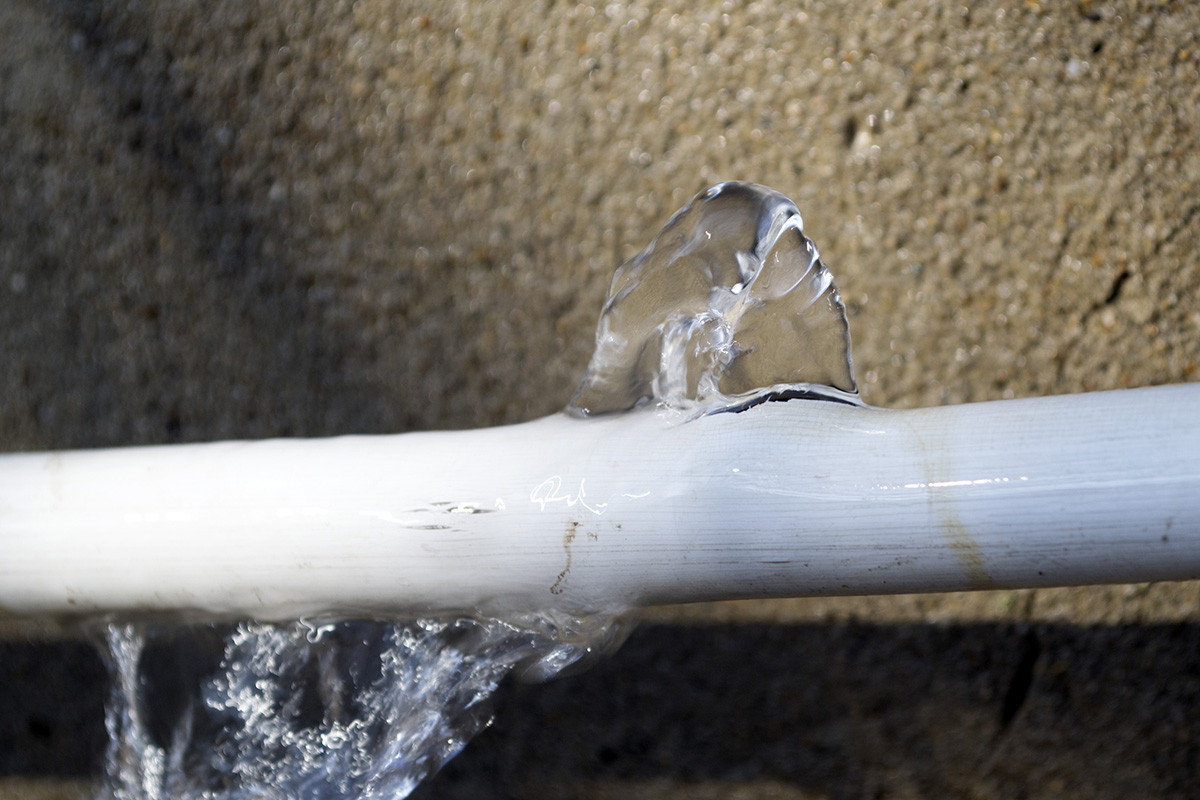
Strange sounds don’t always come from the same place. Some bursts make themselves known in hidden spots like wall cavities or under floors, while others show up around fixtures or even out in the garden. This section breaks down the most common locations so you can match what you’re hearing to where the problem might be hiding.
Can a burst pipe make noises inside walls or under floors?
Yes. Enclosed spaces amplify noise, so even a pinhole leak can sound louder than expected. In wall cavities, you might hear sharp hissing or faint trickling. Under timber floors, bursts often create a hollow knocking or echo. In older homes, pipes are sometimes clipped loosely, which makes these tell-tale signs easier to pick up when pressure changes.
What pipe noises should I listen for outdoors in the garden or driveway?
Outside, leaks often sound like a steady hum or faint water movement when the rest of the property is quiet. On lawns, a burst can make the soil gurgle or shift slightly underfoot. Along driveways, a cracked pipe can carry the sound of rushing water beneath concrete, even without any visible puddles. Left alone, these leaks lead to hidden erosion and water damage from burst pipes that can undermine paths or garden beds.
What pipe noises come from the kitchen sink, dishwasher, or fridge?
Kitchen fixtures often reveal problems first. A whistling faucet when no one is using water, or bubbling in the sink trap, can point to pressure escaping somewhere in the line. Supply hoses to dishwashers or fridges are especially vulnerable; when they split, you may hear a high-pitched squeal or a faint hiss. In many cases, these noises are the earliest clues in your home’s plumbing before any visible signs of water damage appear.
What pipe noises should I watch for in the bathroom or toilet?
Bathrooms can give away early signs of trouble. A bubbling toilet bowl or gurgling cistern often points to a sewer line that may have a burst outside, letting air and water mix in the wrong way. If left alone, those leaks can saturate walls and floors, creating mould growth and a musty smell long before you see water pooling.
Can washing machines or laundry troughs make burst pipe sounds?
Yes. The laundry is one of the most common places for bursts. A flexi-hose feeding a washing machine can split without warning, and when it does, you’ll often hear hissing or rattling before water appears. Cold snaps and freezing temperatures make these hoses even more vulnerable. Replacing them on a schedule is a simple preventative step, and keeping an eye on unusual noises here can save you time and money in the long run.
What noises can a hot water system make if a pipe has burst?
A burst on a hot water line is usually obvious by sound alone. Even when the system is switched off, you may hear a constant hiss or gurgle where the line has failed. If the main water valve is still open, the pressure keeps feeding the leak. Acting quickly when you hear it matters — recognising the noise of a failing hot water pipe early can save you from extensive damage and higher repair costs.

How to confirm a leak if you suspect a burst pipe
If you’re hearing odd sounds and wondering whether you’re dealing with a burst, there are a few simple checks you can do before calling for help. These steps are a good start for detecting a burst pipe:
- Turn off every tap and appliance that uses water: Make sure no toilets are refilling and no dishwashers or washing machines are running.
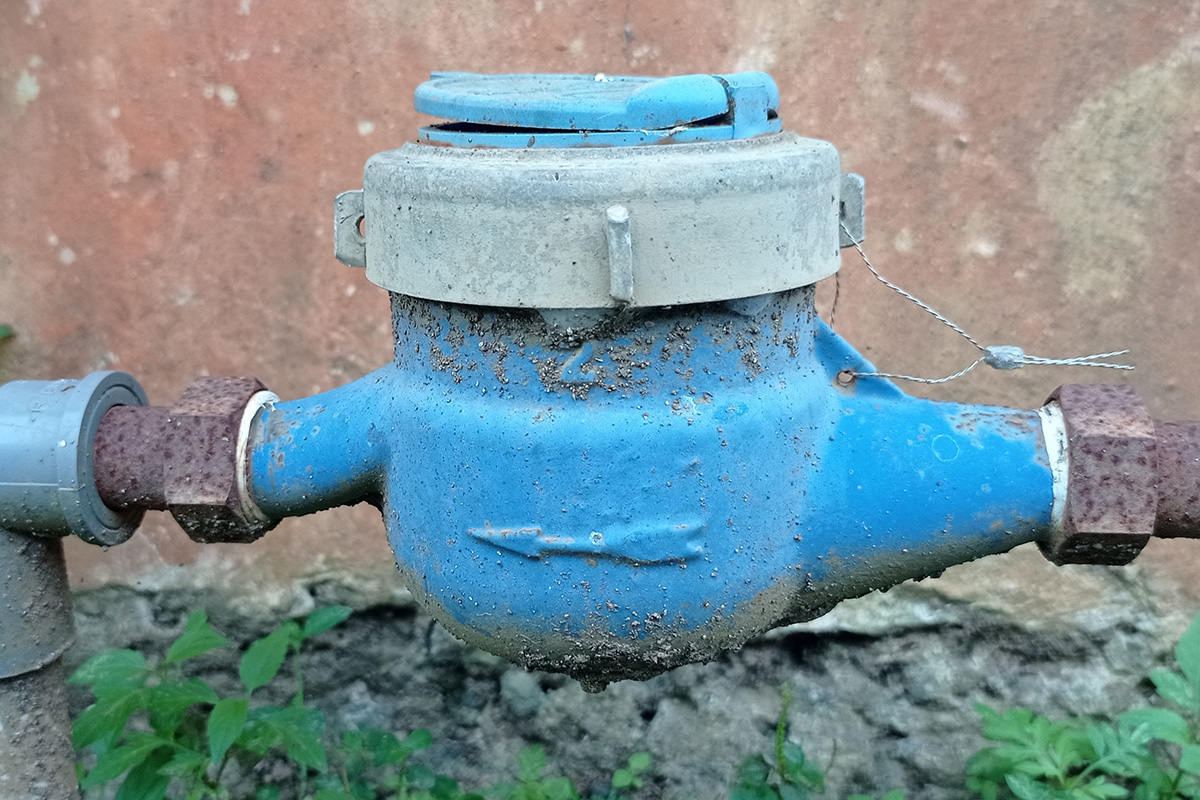
- Check your water meter: If the dial is still spinning when everything is off, water is escaping somewhere it shouldn’t. This is often the quickest way to confirm a burst.
- Look for extra clues: Keep an eye out for damp patches, wet soil, or a steady hiss coming from a hidden spot. These usually mean water is already escaping into your home or yard.
- Listen carefully in quiet spots: At night, when the house is still, put your ear near walls or floors where you heard noises. Persistent trickling or rushing sounds are a strong sign of trouble.
If you’re still unsure, the safest step is to consult a professional leak detection plumber (like your friends at Outright Plumbing). We use specialised equipment like acoustic listening gear and thermal imaging to pinpoint the problem without tearing walls or digging up gardens unnecessarily.
What to do if you notice the sounds and signs of a burst pipe
If you suspect a burst pipe, acting quickly can make all the difference. Here’s what to do before help arrives:
- Shut off the main water supply: Find the stop tap near your meter and turn it clockwise until it stops. This prevents more water from feeding the burst.
- Drain the taps: Open your cold taps and flush the toilets. This relieves pressure in the system and helps limit further leaks.
- Move belongings out of harm’s way: If water has already spread indoors, protect valuables and furniture from damage.
- Avoid DIY fixes: Tape, glue, or sealants won’t hold under pressure. Attempting to fix a burst this way usually makes things worse.
- Contact a professional plumber: The safest step is to call for emergency plumbing so the problem can be properly repaired. A licensed team with the right gear can deliver a lasting professional service instead of a quick patch.
Taking these steps will give you peace of mind until the plumber arrives and ensures the damage doesn’t spread further.
Think you’ve heard a burst pipe? Call Outright Plumbing to check it out!
If you’ve noticed strange noises and your water bill has suddenly spiked, it’s worth getting it checked before things get worse. A hidden burst changes the way water flow moves through your home, and catching it early can save you time and money on repairs.
At Outright Plumbing, we make it simple:
- Same-day callouts when you need urgent help.
- More than 600 five-star reviews from Melbourne families.
- Licensed plumbers with the training to diagnose and repair properly.
- Premium gear that finds leaks fast, without unnecessary digging.
If you think you’ve heard the signs of a burst pipe, don’t wait. Call Outright Plumbing today and let us get your home back to normal.