
How To Install Shower Plumbing — And Why You Need A Plumber
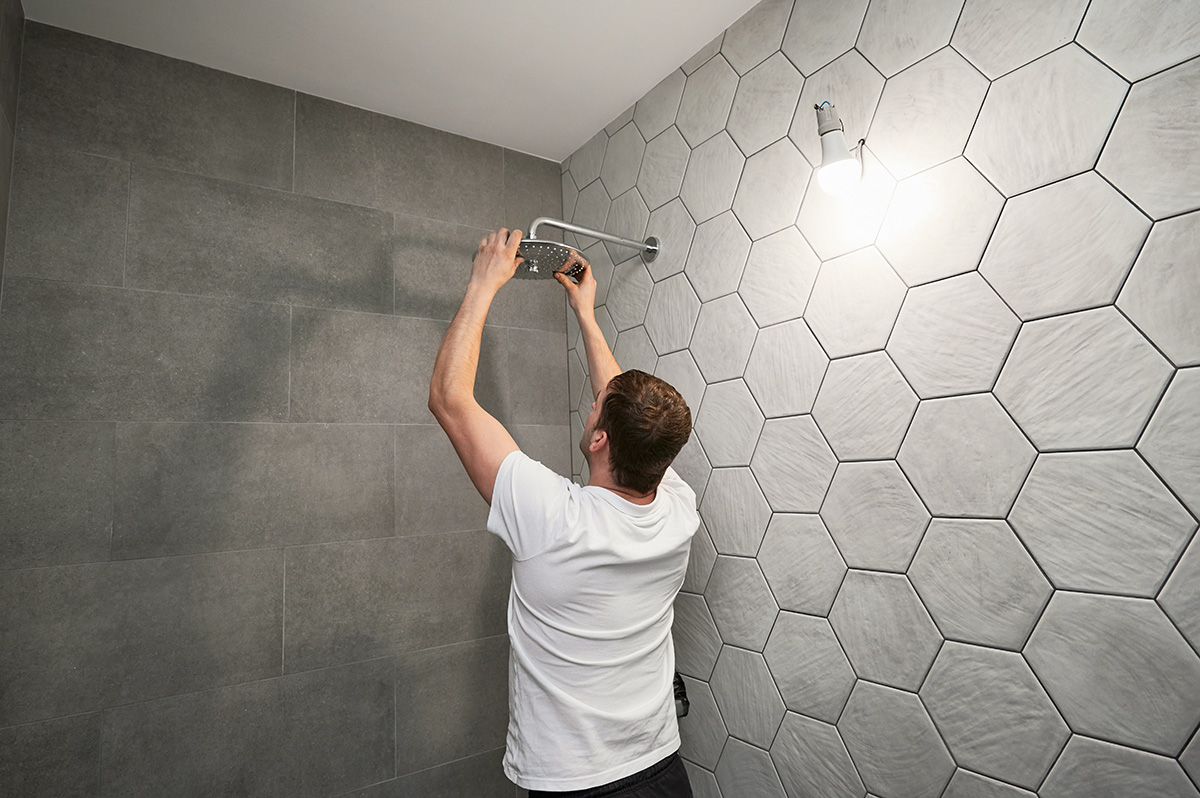
How licensed plumbers do it safely and to code
Installing shower plumbing might seem like the kind of project you can knock over with a few tools and a YouTube video. In reality, shower plumbing installation is one of the trickiest jobs in the bathroom. It involves water supply, drainage, waterproofing, and strict code requirements, and getting any of it wrong can cause long-term leaks, costly damage, or even void your insurance.
This guide isn’t a DIY manual. It’s here to show you what’s involved in a shower plumbing project, why every step matters, and how licensed plumbers keep your system safe and compliant. By the end, you’ll understand the risks of going it alone and why calling in professional plumbing services is the smartest move for your home and your budget.
Can you install a shower yourself, or do you need a licensed plumber?
Plumbing a shower isn’t the kind of job you can treat like weekend DIY. Unlike painting, tiling, or putting up shelves, it’s classified as licensed plumbing work in Australia. That means only a qualified plumber is legally allowed to do it.
There’s good reason for that. A shower brings together hot and cold supply, drainage, and waterproofing, all hidden behind walls. If the plumbing situation isn’t done properly, it can lead to slow leaks, mould, and serious water damage you might not notice for months. On top of that, insurance claims can be knocked back if the work wasn’t signed off.
Even if you’ve got solid plumbing skills from other projects, a DIY shower installation just isn’t worth the risk. As the Victorian Building Authority explains, shower plumbing must be done by a licensed plumber to meet code and protect your home.
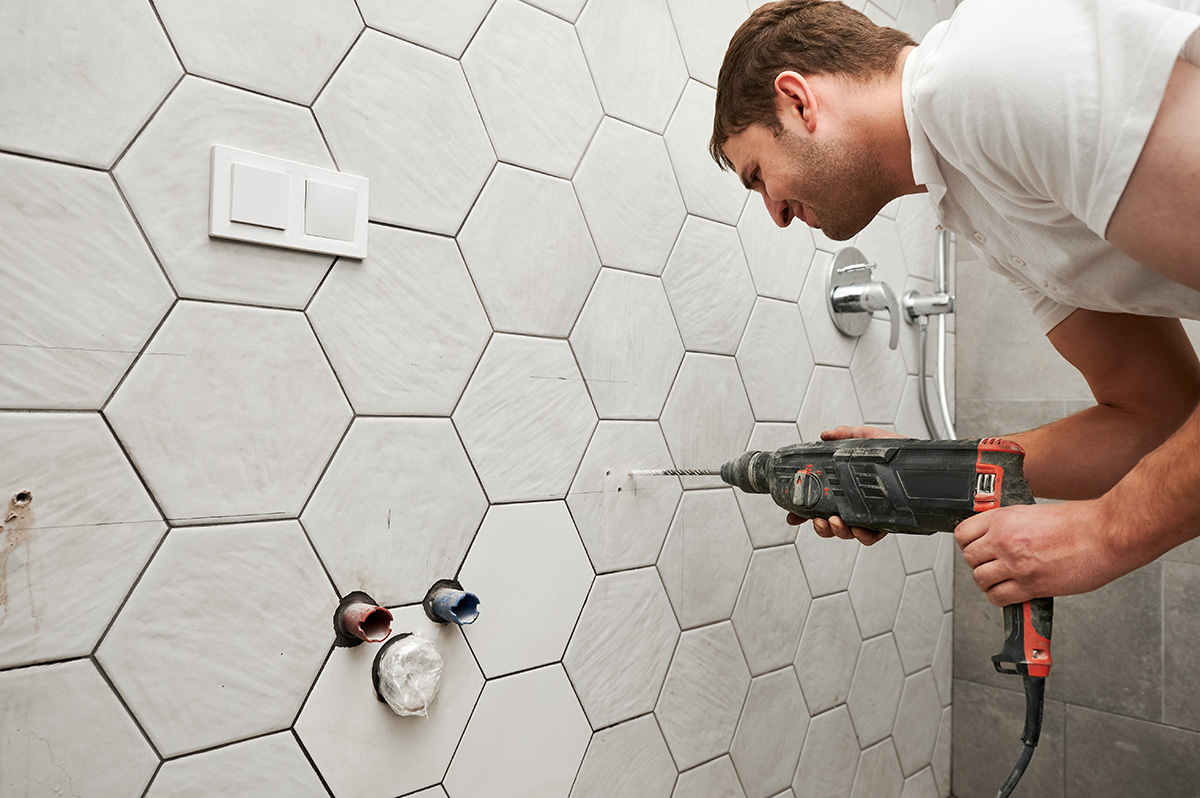
How professionals install shower plumbing: step-by-step guide
So what actually happens when a plumber installs a shower? This section walks you through a successful installation process. It’s not a DIY manual — it’s a behind-the-scenes look at the key steps, why each one matters, and how they all add up to a safe, compliant, and long-lasting result.
Planning your shower plumbing installation properly
Good shower plumbing starts long before a pipe is cut. The shower area has to be mapped out so the shower drain lines up with the rest of the system, the shower base is set correctly, and all the plumbing fixtures are positioned where they’ll actually work for the user.
If you’re renovating your bathroom, this step is critical. A misaligned drain or poorly planned water line can mean tearing up brand-new tiles later. Getting the planning wrong is one of the most expensive mistakes in bathroom plumbing.
Shutting off the main water supply before the shower pipe installation
Before touching a pipe, the first thing a licensed plumber does is isolate the supply. We need to shut off the water at the main water valve (or turn off your water at the meter) so the system is safe to work on.
It’s not just about twisting a tap, either. We also turn off the main water and drain nearby lines to stop any surprise bursts when pipes are opened. Skipping this step risks flooding the room.
Installing shower connections and the shower valve correctly
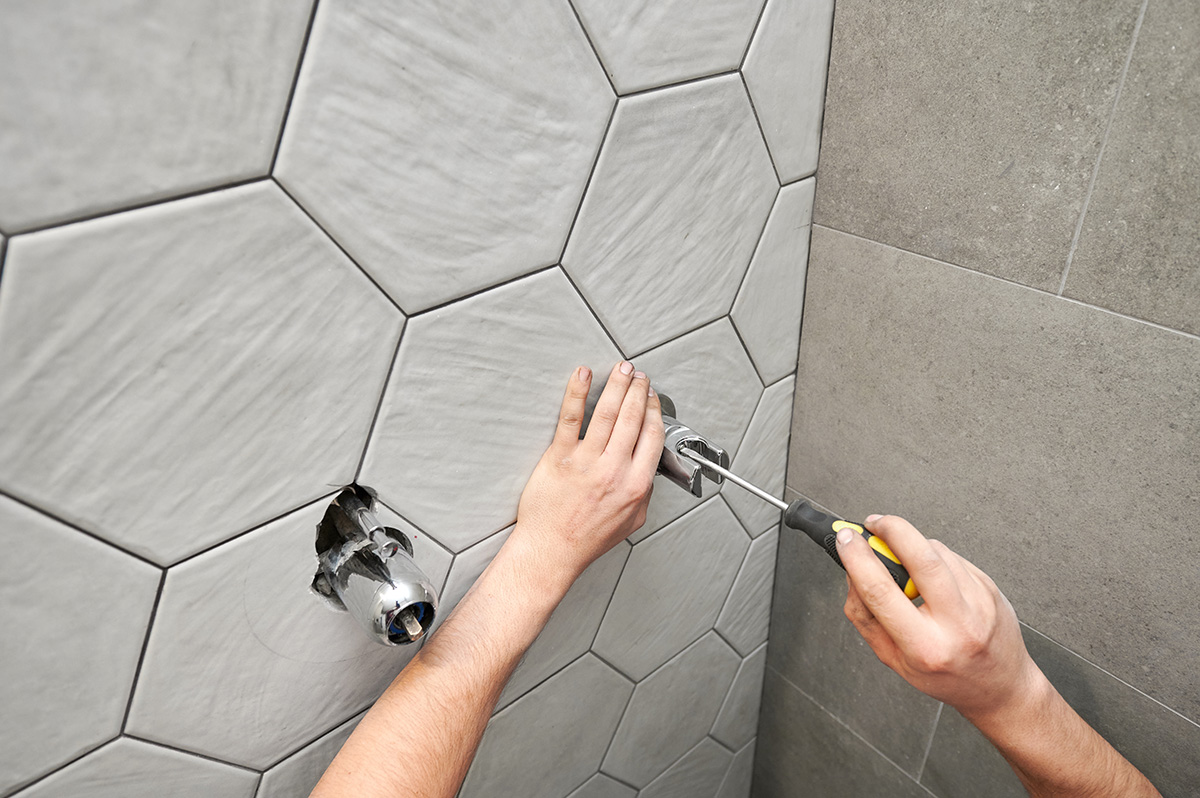
The shower valve controls the water flow and temperature every time you turn the tap. To install the shower valve properly, a plumber has to cut a precise hole in the wall, measure the height for the valve to suit the shower layout, and make sure the hot and cold feeds are connected correctly.
Even a small error here can cause major headaches. If the valve sits a few millimetres too deep, the trim won’t seal. If the hot and cold are reversed, you’re pulling the tiles back off the wall to redo the connection and valve and attach it again. It’s one of the trickiest and most unforgiving steps in a shower install.
How plumbers install shower water lines: copper vs PEX
Running the supply lines is another job that looks simple until you see how precise it really is. With copper pipes, every joint has to be soldered at just the right temperature. Too hot and you weaken the fitting; too cold and it leaks slowly inside the wall. Hidden leaks like that can go unnoticed for months.
PEX makes life easier in tight spaces, but it has its own challenges. Push fittings must be seated perfectly straight, and the pipe needs careful support to stop sagging. A licensed plumber knows how to size and balance the hot and cold water pipes, connect the water lines cleanly back to the pipes to the valve, and pressure test it all before the walls are closed. This level of accuracy is why shower supply lines are best left to a professional.
How licensed plumbers install hot and cold water lines for a shower
Knowing how to install hot and cold water lines for a shower isn’t just about running two pipes side by side. The water supply lines have to be balanced so the water flow and temperature stay steady. Get it wrong and you’ll end up with a shower that goes scalding hot or freezing cold every time someone uses a tap elsewhere in the house.
A plumber will connect the water supply with precise fittings, size the pipes to maintain pressure, and set the water temperature range to meet code. It’s a careful process that involves both technical know-how and compliance checks. Definitely not the sort of job that can be guessed at.
Securing the showerhead and faucet without leaks
Once the lines are in place, the fixtures need to be sealed correctly. The shower arm threads should be wrapped with plumber’s tape before the shower faucet or head is attached, and every joint must be tightened just enough to hold without stress.
Many DIY installs fail here because people overtighten when they install a new shower head or install a shower fixture. That pressure can crack fittings or strip threads, leading to leaks hidden inside the wall. Licensed plumbers know how to seal and secure everything so it stays watertight for the long haul.
Testing your shower plumbing system with professional equipment
The last step of any installation isn’t just to turn on the water and hope for the best. A licensed plumber will test the shower using specialised tools to make sure every joint holds under pressure before the walls and tiles go back on.
We’ll watch the water meter, run water through the system, and check for leaks at every fitting. It’s a careful process of running water and checking cycles until we’re confident the whole system is sealed and compliant. Skipping this step is how hidden leaks sneak in behind walls and cause damage later.
If you’re ever worried about your installation or discover a leak afterwards, our emergency plumbing services can diagnose and fix the problem fast.
What can go wrong when replacing shower plumbing yourself?
Swapping out or trying to replace shower plumbing without a licence can open up more problems than it solves. Here are the issues we see most often when DIY work goes wrong:
- Leaks hidden in wall cavities: A joint that isn’t sealed correctly can drip for months before it’s noticed. By then, the plaster is swollen, the studs are saturated, and mould is growing. Correct testing is the only way to prevent water leaks like this.
- Valves set at the wrong depth: A shower mixer that sits a few millimetres too deep or shallow won’t seal properly around the valve. That mistake usually means ripping off tiles to fix it.
- Poorly aligned pipework: Even slight misalignment causes stress on fittings and leads to premature failure. A proper installation requires laser levels, spacing guides, and strict adherence to standards.
- Incorrect materials: We often find plastic fittings where brass should be, or incompatible pipe types joined together. These shortcuts don’t just fail — they can contaminate water or burst under pressure.
- Insurance and compliance risks: DIY plumbing doesn’t meet the VBA’s requirements. If water damage occurs, insurers can (and do) deny claims, leaving the full cost on the homeowner.
Trust Outright Plumbing with your shower plumbing installation
At Outright, we’ve handled every type of setup, from retrofitting a shower into a tight apartment ensuite to installing full shower systems in new builds. We know where DIY installs go wrong, and we know how to prevent those mistakes before they happen.
When you choose us for the actual installation, you’re not just getting pipes and fittings put together. You’re getting:
- Licensed and insured tradespeople who guarantee compliance.
- Over 600 five-star reviews that prove we deliver on promises.
- Tailored advice so you get the right shower for your space and water pressure.
- Precision workmanship, from attaching the shower arm to balancing hot and cold lines, so your bathroom works perfectly every time.
We understand your shower plumbing needs are about more than convenience. A shower is part of your daily routine, and if the installation goes wrong, it can cause lasting damage to your home. That’s why we back our work with a professional service built on experience, care, and accountability.
If you’re installing your shower as part of a renovation or adding one to an existing bathroom, trust Outright Plumbing to get it done properly the first time.