
How to turn off your water meter: a step- by-step guide
We’ve lost count of how many times we’ve arrived at a house to find the kitchen flooded or the carpet soaked, all because the owner didn’t know where their water meter was. The truth is, by the time a pipe bursts, you don’t have ten minutes to Google instructions — you need to act fast.
We’re licensed Melbourne plumbers, and we’re going to show you exactly how to turn off the water mains supply in Victoria, step by step, the way we’d explain it to a neighbour. You’ll learn how to turn off the water meter to your house, what tools actually work when the lid is jammed shut, and what to do if the valve won’t move.
No matter where you are in Australia, knowing how to shut off your meter is one of the simplest ways to protect your home. And once you’ve done it once, you’ll never forget it.
How to turn off your water meter in 4 easy steps
Shutting off your water isn’t complicated, but it helps to know the right order before you start. In the next four steps, we’ll show you where to look, how to open the meter safely, and the best way to close the valve without damaging it. Follow along and you’ll be able to stop the flow quickly and with confidence.
Step 1: Locate your water meter
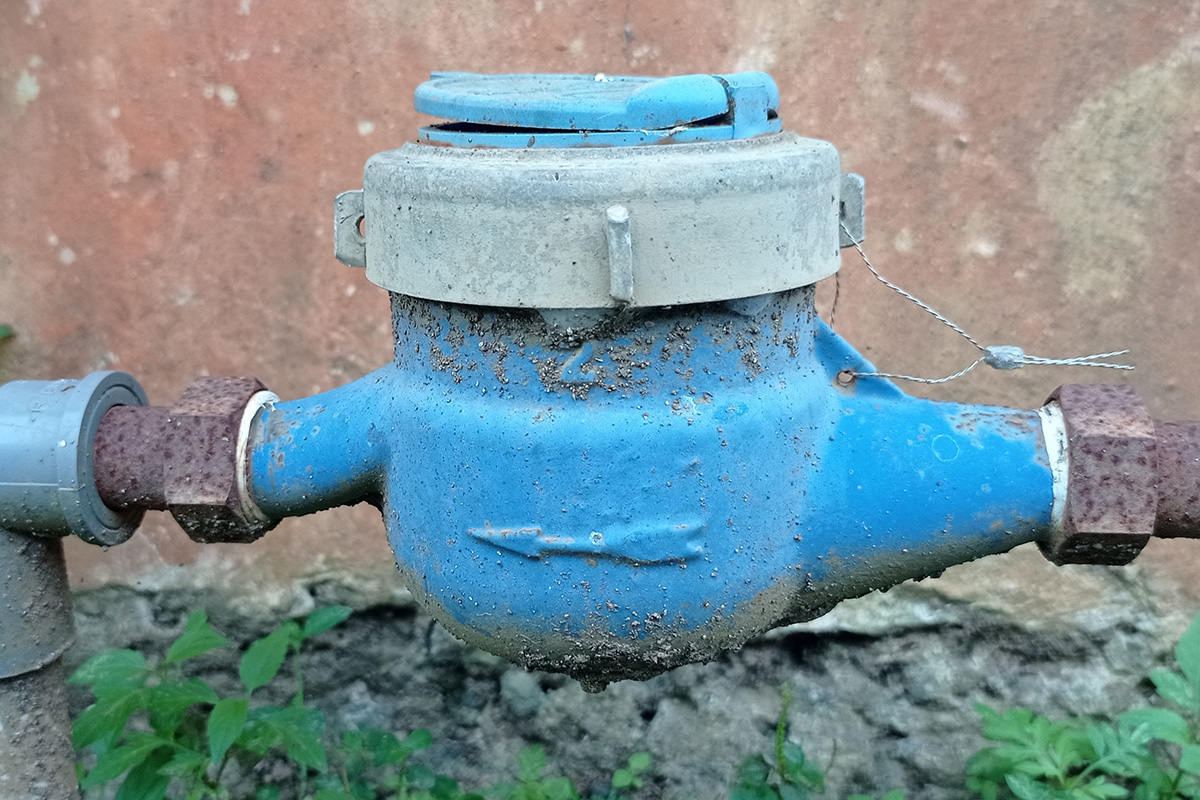
The location of your water meter is typically found outside, often at the front of the block. Look for a small concrete or plastic water meter box with a lid. It’s usually located near the footpath or fence line, though in older houses, you might find it against an external wall or down in a basement. If you live in an apartment or townhouse, you may need to locate the shared bank of meters instead.
Step 2: Open the meter box
Once you’ve found it, you’ll need to open the box to get inside. A flat-head screwdriver works well for prising the cover loose so you can lift the lid. Take your time and remember to exercise caution — these boxes can hide dirt, cobwebs, and sometimes a few creepy-crawlies.
Step 3: Identify and turn the shut-off valve
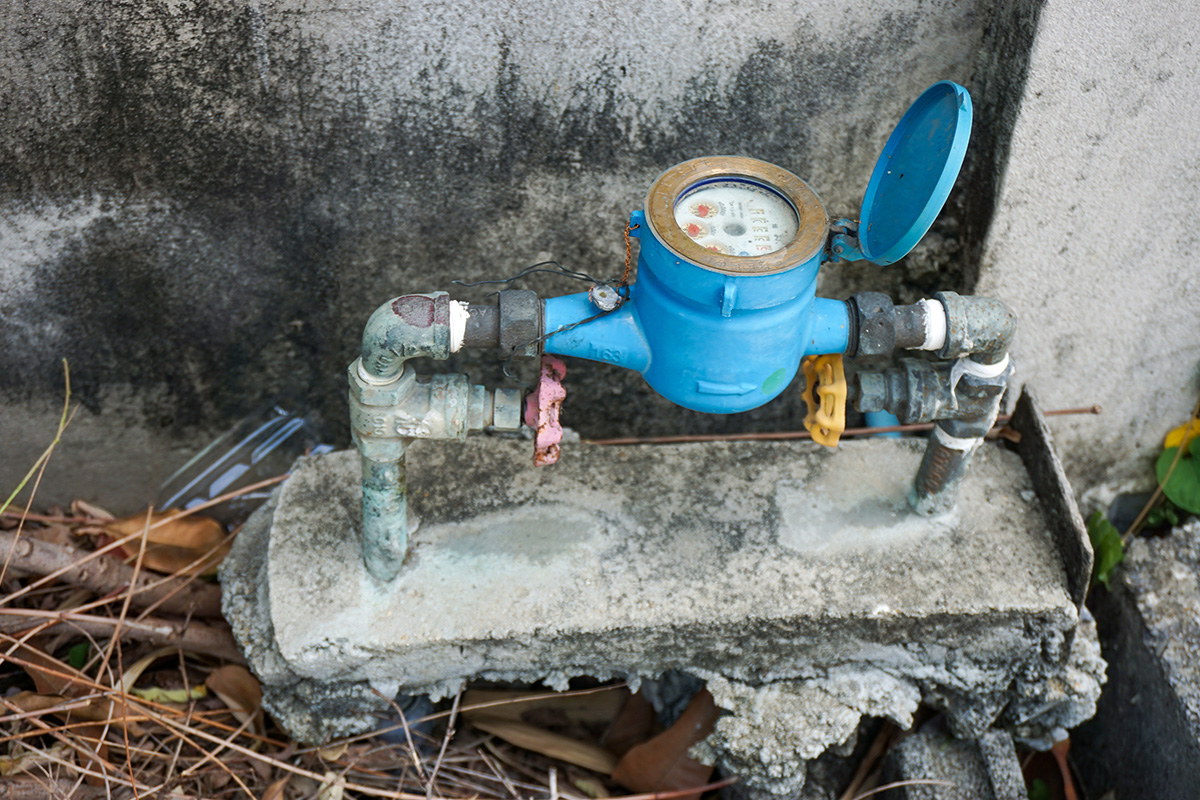
Inside you’ll see the water meter shut-off valve, usually on the street side of the meter. It might look like a lever, a round handle, or an oblong knob labelled as a stop valve or main shut-off valve. Some homes also have a nearby shutoff valve or isolation valve closer to the house.
To close it, start turning the valve slowly clockwise until the valve is fully closed. Use steady pressure — the valve might resist if it hasn’t been used in years. Never force it. On older setups, you may need to locate the stop valve further down the water pipe and turn off the stop valve as well.
It is sometimes possible to disconnect your water meter or close it without the key, but it’s far safer with the proper tool. Whether the control turns a quarter left or right, the goal is to cut off the main water and relieve the water pressure.
Step 4: Confirm the water is off
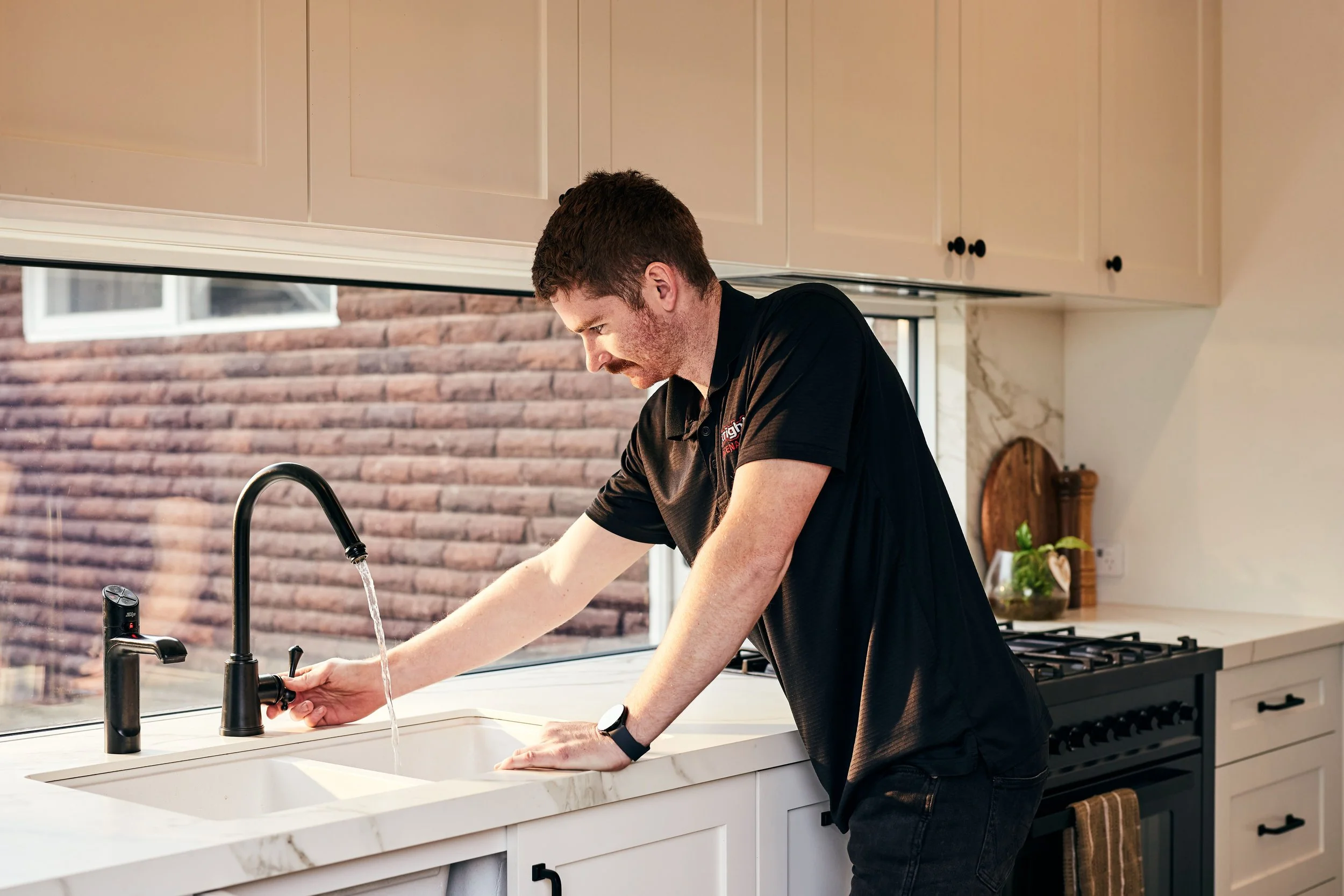
Go back inside and turn on a tap. If nothing runs, you’ve managed to shut off the water. You might hear a small hiss as you turn the water on, which is just the last of the supply draining.
Check the meter itself. If the dial isn’t showing any water flow, then the flow of water has stopped. If the meter is still ticking, turn your water off at a secondary point. Sometimes you’ll need to go inside and turn one of the separate valves closer to the house before you can safely switch your water supply back on once the repair is finished.
What if you can’t turn off your water meter?
Sometimes the valve just won’t move. Age, rust, or pressure in the line can make it seize up, and trying to force it can do more harm than good. Here’s what to do if you run into trouble.
Step 1: Don’t force the valve
If the handle still can't turn, stop before you make things worse. Forcing a stuck control can shear the stem or snap the fitting, leaving you with an uncontrolled burst pipe. The risk is even higher if you’re dealing with a burst hot water line, where pressure and heat can magnify the damage.
Step 2: Try alternative shut-off points
Many homes have backup valves. Look for a smaller isolation or stop valve closer to where the supply enters your property. If you live in a unit or townhouse, you may not have an individual water meter, so check with your building manager for the shared shut-off.
Step 3: Seek help
When the valve won’t budge, the safest option is to call for professional help. In a plumbing emergency, Outright offers same-day plumbing services to shut the supply off and deal with the problem safely. If you need assistance, don’t hesitate to call your local plumber — it’s the quickest way to get the situation under control.
Not just emergencies: When you might need to turn off your water meter
Turning the supply off isn’t only for bursts and floods. There are plenty of everyday situations where shutting the meter makes sense:
- During planned plumbing repairs: If you’re replacing a tap, fitting new pipework, or servicing your water heater, closing the supply keeps the job safe and dry. Even small plumbing repairs can go wrong quickly if the line is still live.
- In the case of an emergency: A sudden water leak or visible water damage is your cue to cut the supply straight away. Acting quickly limits the mess and helps you avoid costly repairs later. What looks like a drip can escalate like a burst if left unchecked.
- Before going away from your home: If you’re travelling, switch the supply off at the meter. That way, a hidden leak or appliance fault won’t flood the place while you’re gone. It’s one of the simplest ways to protect your property while you’re away from your home.
- When you notice unusual usage: A spike in water bills or an increase in water consumption often points to a hidden leak underground or behind walls. Shutting off the supply for a while can help you identify potential problems before they get worse.
- Any time you might need to turn it off as a precaution: From renovations to outdoor works that expose pipes, it’s often safer to close the meter until you’re confident the system is protected.
Plumbing problems? Call Outright Plumbing today!
Knowing how to turn off your meter is useful, but it’s only a first step. The bigger question is why the problem started in the first place. At Outright Plumbing, we don’t just close valves — we trace the issue, carry out thorough leak detection, and repair the fault so you can be confident it won’t return.
When you call us, you’ll get a licensed plumber who understands how your entire plumbing system works, not just the piece you can see. And if you’re facing an urgent issue, we’ll send an emergency plumber the same day to keep your home safe.
Here’s what you can expect when you call Outright:
- Friendly, local plumbers trusted by hundreds of Melbourne families.
- More than 600 five-star reviews from happy customers.
- Same-day service when time matters most.
- Permanent repairs that solve the problem and align with Australian plumbing standards.
So if your valve won’t turn, or you simply want peace of mind that your pipes are in good hands, call Outright Plumbing today. We’ll take care of it properly so you don’t have to worry.