

Why your roof tiles are leaking, and what to do about it
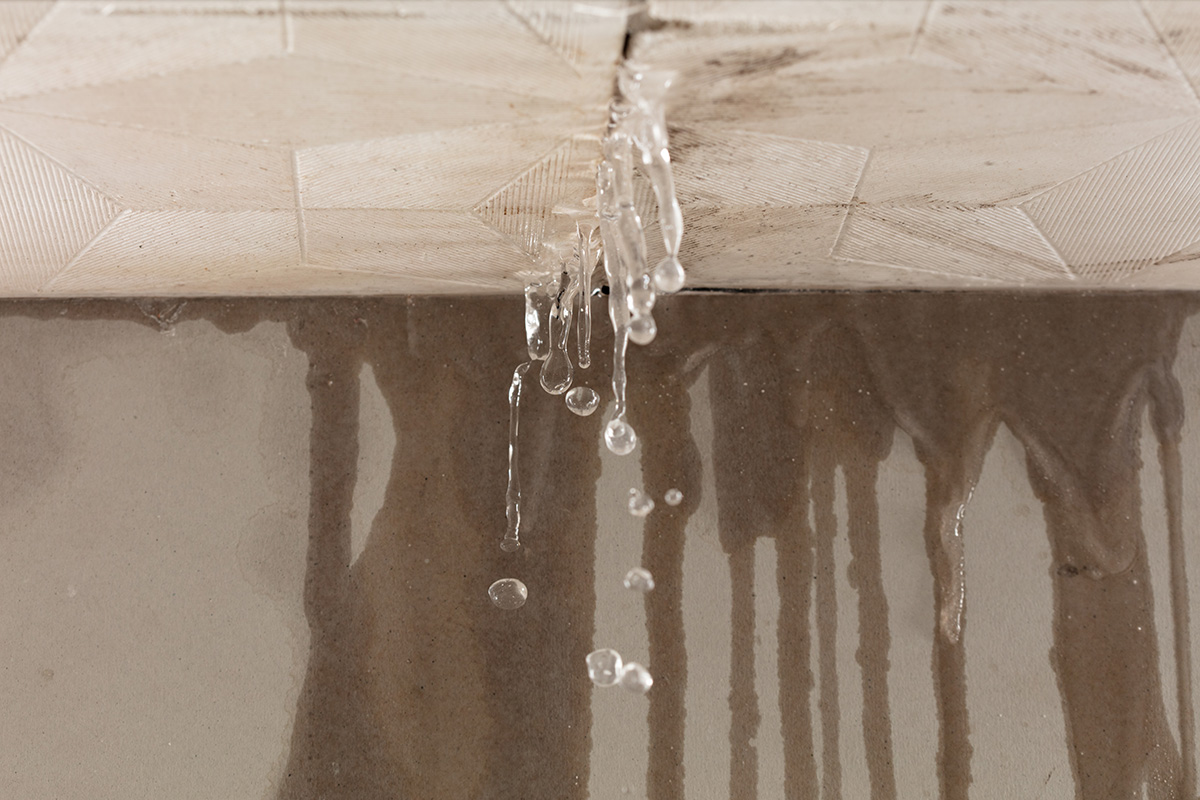
Signs, causes, and solutions for leaking roof tiles
We get called out for roof tile leaks all the time, and nine times out of ten the homeowner says the same thing: “It was just a small drip at first, we didn’t think much of it.” The trouble is, leaking roof tiles never stay small. One tiny gap can let water in, and once it’s there, it runs along timbers, soaks into insulation, and before long, you’re staring at sagging plaster or mould creeping across the ceiling.
That’s why knowing the cause of roof leaks matters. As licensed plumbers who’ve spent years on Melbourne roofs, we’ve seen everything from a single cracked ridge tile collapsing a whole ceiling to a poorly sealed valley that funnelled water into three bedrooms.
This blog will show you what to look for, the common causes we find on jobs, and the simple checks you can do to catch problems early. We’ll also explain when it’s time to bring in a professional and how to properly address roof leaks so they don’t keep coming back.
By the end, you’ll know exactly how to protect your home from a “small leak” turning into a very big repair bill.
Common causes of roof tile leakage
From storm damage to ageing roofing materials, every leak we find has a story. In Melbourne, the most common issues we see are cracked roof tiles after wild weather, gaps left by poor installation, or valleys blocked with gumtree debris. No matter how different these causes are, they all cause leaks in predictable ways, which we’ll break down in the sections below.
Weather damage and storms
Storms are brutal on tiled roofs. When roof tiles leak in heavy rain, it’s usually because wind has driven water sideways under the laps, or hail has fractured the tile surface. In Melbourne’s winter, we also see freeze–thaw damage: water seeps into tiny surface cracks, freezes overnight, and forces the crack wider. The result is tiles that look fine from the ground but are actually letting in water. After the big hailstorm in Melbourne’s east last year, we spent a week on one street replacing over forty cracked tiles across half a dozen homes. That’s how quickly water ingress spreads after a storm.
Age and natural wear of roof tiles
Every roof has a lifespan, and ignoring it is risky. We often see damaged roof tiles that have simply given way after decades in the sun and rain. Terracotta can last 50 years or more, but hairline cracks will still appear, often hidden under lichen or moss. Concrete tiles age differently; the surface wears thin, exposing the porous core. That accelerates water absorption and weakens the underlayment. If you want to extend the life of your roof, it pays to know which roof system you have and how it ages. A 25-year-old concrete tile roof, for example, almost always needs closer inspection than a terracotta one of the same age.
Poor installation or workmanship
We’ve lost count of how many leaks come down to sloppy work. A rushed roof installation can leave tiles misaligned or ridge capping that hasn’t been properly bedded and pointed. These gaps become weak spots where rain gets in. The trouble areas are almost always where the roof meets hips, ridges, or valleys. These are the places that need care and precision. Just last month, we traced a leak in Mentone back to ridge tiles laid with barely any mortar holding them down. One heavy downpour and the water found a straight path to the ceiling. That was the true source of the leak, not the tiles themselves, but the way they were installed.
Lack of maintenance over time
Neglect is one of the biggest culprits we see. Without regular roof maintenance, gutters clog, valleys choke with leaves, and water is forced to track sideways under the tiles. If you don’t actively maintain your roof, you’re relying on luck. One client in Braeside ignored their roof for ten years, and by the time we were called, the valleys were so blocked that the rainwater had nowhere to go but inside. Small issues like that almost always lead to leaks, and by then, you’re paying for ceiling repairs as well as roof repairs.
Damage from branches and debris
Branches don’t just fall in storms; even overhanging trees can be a problem. Heavy gum branches cause obvious damage, cracking multiple tiles in a single hit. But we also see smaller sticks wedging under tiles, lifting them just enough to create gaps. Over time, that leaves you with broken tiles and a compromised surface. If you’ve got a gum or pine tree close to your house, it’s worth looking at those areas of the roof after a windy day. We once repaired a broken roof in Sandringham where a single hidden branch had been sitting under a tile for months, funnelling rainwater straight into the insulation.
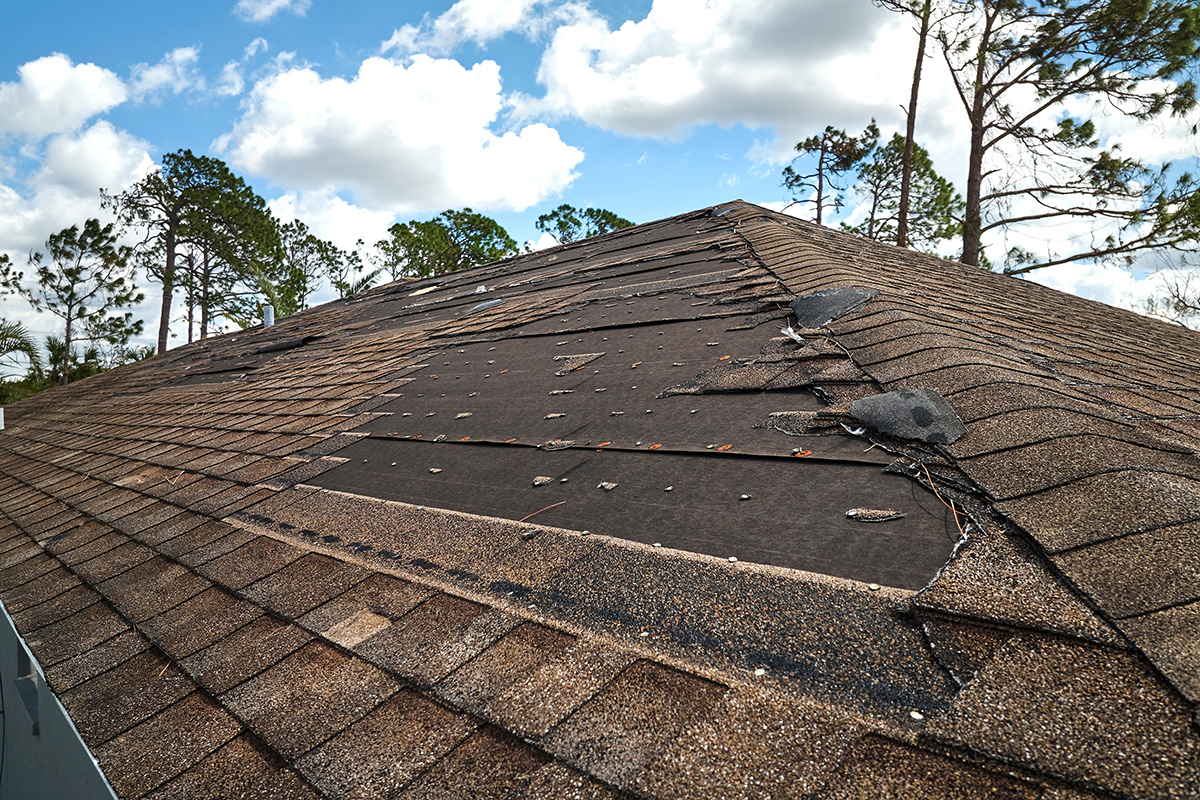
5 hidden (and not so hidden) signs your roof tiles are already leaking
Your home will usually give you warning signs before a leaky roof turns into a crisis. The challenge is knowing what to look for and not brushing them off as minor issues. By spotting problems early, you can trace the source of a leak and prevent serious water damage before it spreads. Let's take a look at some of those signs.
Water stains on ceilings or walls
The most obvious clue is water stains spreading across your ceiling or down a wall inside the house. These patches often start as a faint yellow or brown mark and gradually expand after every heavy rain. Don’t assume the stain is directly under the cracked tile. Water can run along rafters or battens before seeping into the roof structure and showing up metres away. If you see a new stain, it’s time to act.
Musty smells and mould growth indoors
A leak doesn’t always show up as a drip. Sometimes the first giveaway is a damp, musty smell in a room. That odour points to a hidden water leak behind plaster or in the ceiling cavity. Left unchecked, it can lead to significant leaks and serious mould growth that damages your plasterboard and triggers health problems. Trust your nose: if a room suddenly smells musty, it’s a sign you need to investigate to protect your home.
Dripping or wet insulation in the roof cavity
If you’re confident and safe to pop your head into the roof space, check the insulation. It acts like a sponge, holding moisture if there’s been a leak. If you find damp patches or see water dripping through, it means rainwater has already started to force its way to enter past the tiles and under the roof surface. Wet insulation is a red flag that the leak has been there for a while, not just one bad storm.
Cracked, broken, or missing tiles outside
Sometimes, the signs are clear from the street. Take a look after a storm to check for missing or broken tiles or areas where a tile looks loose or out of line. Even a single crack is enough to cause a problem because roof tiles crack due to repeated pressure from weather cycles — rain, sun, and freeze-thaw. Around the ridge, these cracks can spread quickly, letting water straight in. A quick visual check outside can save you major repairs later.
Problems around chimneys, vents, or flashing
Not every leak comes from a broken tile. Roof features are often weak spots, too. Roof penetrations like chimneys, vents, or skylights need flashing to keep them watertight. When that flashing rusts, lifts, or splits, water runs in where the roof meets the walls or joints. Even the smallest gaps that allow water to seep through can lead to damage inside. If you see lifting lead flashing or rust around your chimney, that’s a likely culprit.
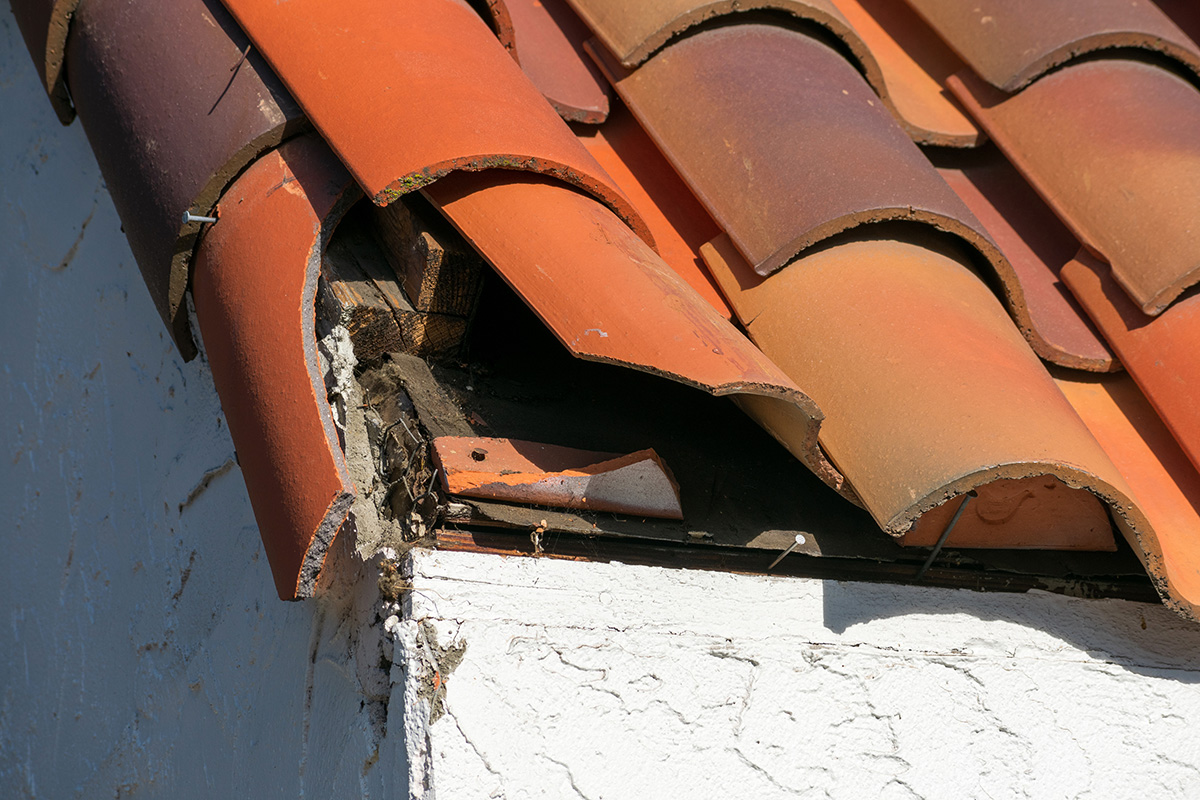
How to prevent roof tile leaks
We’ve repaired enough ceilings to know the easiest fix is stopping leaks before they start. The steps we’re about to share are the same ones we give customers every week. Clearing gutters, trimming trees, and resealing flashing aren’t chores — they’re what actually prevent roof leaks. These simple habits are crucial to preventing leaks and give you control over your roof care before problems turn expensive.
Schedule regular roof inspections
We catch a lot of leaks before they become disasters, simply by checking roofs twice a year. A professional roof inspection picks up cracks and gaps you won’t see from the ground.
- We recommend you inspect your roof in autumn and spring, when the weather is mild.
- After hail or high winds, it’s worth booking a one-off check. Storm cracks often look invisible from below.
- Regular inspections help ensure your roof stays watertight for decades, not just years.
Clear gutters and remove debris
Blocked gutters are behind more leaks than most people realise. Instead of flowing water away, rain builds up and runs sideways under the tiles. We see this constantly in Melbourne’s gumtree-lined suburbs.
- Clean gutters at least twice a year, and more if you’ve got big gums or pines close to the house.
- Don’t forget valleys; they collect even more debris than gutters.
- Keeping everything clear will keep your roof in good shape and stop leaks before they start.
- Think of this as the cheapest insurance for keeping your roof in good condition.
Check and reseal roof flashing
Tiles aren’t always the weak point. Flashing often fails first. Lead or galvanised steel can rust, split, or lift long before tiles give way, leaving you with hidden leaks.
- Pay attention to where flashing meets chimneys, skylights, and valleys. These are common trouble spots.
- If you spot gaps, add roofing sealant or get a roofer to replace sections.
- We’ve seen a single lifted edge cause ceiling collapse, so don’t ignore it.
- Fixing it early avoids future leaks, even from what looks like a small leak.
Clean moss and algae from tiles
Moss holds water like a sponge. It lifts tiles just enough to let water creep underneath. We often see this on shaded southern roof faces around Melbourne.
- Remove moss and algae with a soft brush or a roof-safe wash. Never with harsh chemicals that damage tiles.
- Focus on spots that stay damp after rain; that’s where moss thrives.
- Clearing growth stops a minor roof problem from spreading.
- A clean surface means your roof remains sealed and your roof in good condition for longer.
Call a licensed roofer for small cracks
It’s tempting to grab silicone for a quick fix, but it rarely lasts. A professional roof plumber knows how to repoint or replace tiles properly so the repair holds.
- Tiny cracks can open wide after a few hot–cold cycles. Don’t wait until you see water inside.
- We’ve seen plenty of DIY patches fail in the first big downpour.
- Call a licensed roofer to repair roof tiles properly and safely.
- It’s the best way to avoid roof tile leakage that sneaks back again and again.

Call Outright Plumbing to check and repair your leaking roof tiles
We investigate, explain what’s really going on, and repair it properly so you’re not back to square one after the next storm. If you need a lasting roof repair, urgent help with an emergency roof leak, or a reliable team for ongoing roof leak solutions, we’re here to help.
- Licensed roof plumbers who’ve spent decades on Melbourne roofs.
- Same-day emergency plumbing services when water’s pouring in.
- More than 600 five-star reviews from families who trust us to do the job right.
- Full-service roof plumbing, from cracked tiles to flashing, valleys, and gutters.
We’re Melbourne locals, and we know the conditions and treat every home as if it were our own. If you’re dealing with a roof leak repair, give us a call and we’ll make sure your roof is watertight again.

.webp)