

Is waterproof silicone sealant the best sealant for leaking pipes?
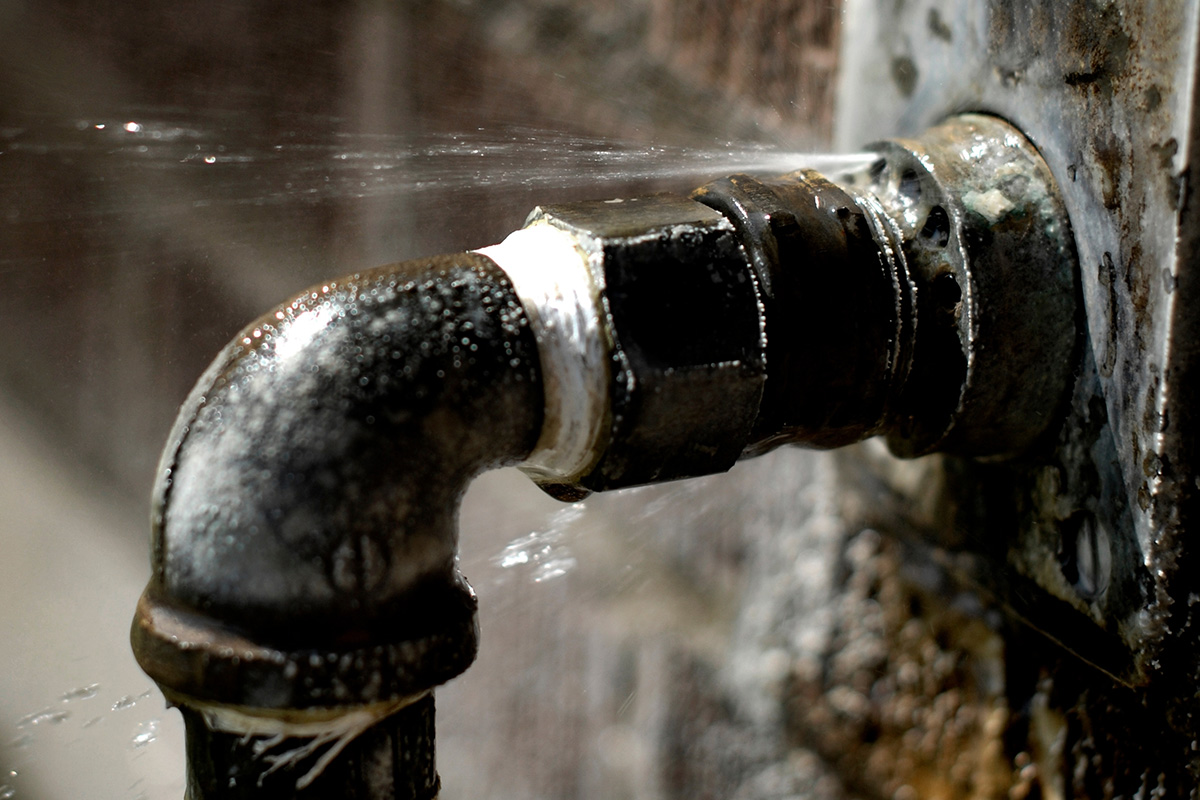
A licensed plumber’s advice on silicone sealants for pipe leaks
Silicone feels like the obvious answer when water starts dripping from a pipe. It’s in every hardware aisle, it says it’s waterproof, and it looks like something you can handle yourself. That’s why we so often arrive at jobs and find a pipe smeared with waterproof silicone sealant.
The problem? Pipes aren’t like sinks or showers. We’ve been called out to plenty of homes where a silicone “fix” held for a week, then burst in the middle of the night, leaving the family with soaked carpets and a much bigger mess than before.
This blog isn’t about selling you sealant. It’s about giving you the clear, practical answers we know homeowners are searching for. We’ll explain why people reach for silicone, when it can help, and the situations where it simply won’t last. More importantly, we’ll walk you through the other options available and what we use as licensed plumbers to help prevent future leaks properly.
By the end, you’ll understand the strengths and limitations of silicone, the alternatives worth considering, and the exact signs that mean it’s time to call a plumber. In other words: everything you need to know, all in one place.
The quick answer: Is silicone the best option for sealing a leaking pipe?
Silicone is not a reliable leaking pipe sealant. It’s only ever a stopgap. At best, it slows a very small drip for a short time. It will not hold once the pipe is under pressure.
We’ve seen every type of leak patched with silicone, from PVC to copper pipes, and the result is always the same. It fails. Sometimes within hours. That’s why no licensed plumber would ever call silicone the best silicone for water leaks or recommend it as a permanent sealant for a water leak.
If you want to fix a leaking pipe, silicone isn’t the answer. It creates false confidence, delays proper repairs, and almost always leads to bigger plumbing issues. The only time it makes sense is as a temporary measure while you wait for help.
In the next section, we’ll break down when silicone might buy you a little time, and the situations where it’s guaranteed to let you down.
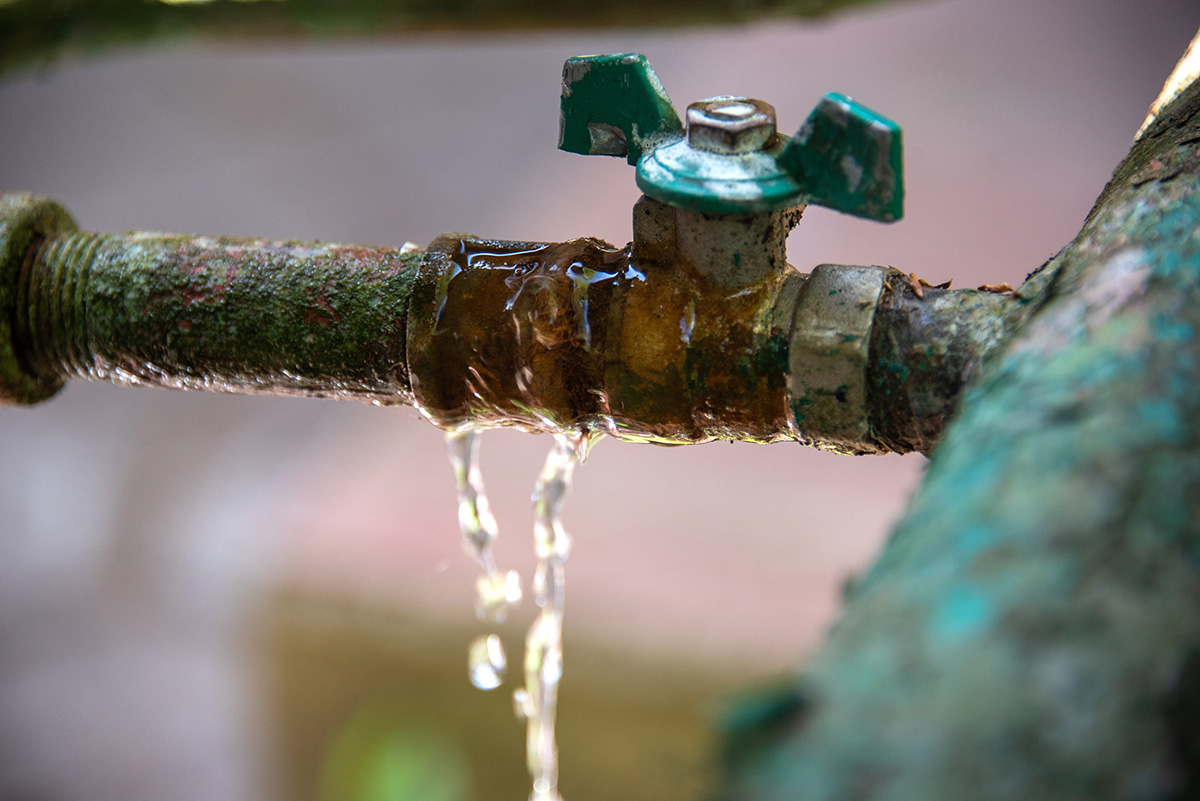
When silicone pipe sealant might help — and when it won’t
Silicone has its place, but it’s a narrow one. In this section, we’ll explain the small situations where it can buy you time, and the many where it simply won’t hold. Knowing the difference matters. We’ve seen quick patches give way overnight and turn into full burst water pipes that caused far more damage than the original drip.
Silicone can work as a temporary fix for leaking pipes
Silicone can sometimes buy you a little time, but only if very specific conditions are met. From a plumber’s perspective, here’s when it has the best chance of holding:
- Small drips on PVC lines: Silicone can only cope with a tiny seep on low-pressure pipes. It bonds best to smooth plastics, but even then, water pressure over 80 psi will push through almost immediately.
- Sound pipe structure: It matters what type of pipe you’re working with. Silicone won’t adhere to oxidised copper or pitted galvanised steel. On intact PVC with no structural cracks, it can form a short-lived skin.
- Low-stress locations: The location of the leak plays a major role. Silicone is least likely to fail on the crown of a horizontal run, where water pressure is minimal. Place it near a threaded joint or bend, and the patch will shear off under movement.
- Meticulous surface prep: Success hinges on how well you clean the area around the leak. Any dust, oil, or moisture creates a barrier that prevents the silicone from forming a watertight bond. Even the humidity inside the pipe wall can shorten its hold.
- Stable surroundings: The area around the leak must be rigid. Pipes that expand, contract, or vibrate under use will quickly break the bond, as silicone isn’t designed to move with that much flex.
- Material compatibility: Not all silicones are equal. Unless the product is specifically compatible with your pipe material, it will repel rather than stick, leaving gaps where water can escape.
Even under these conditions, silicone is only ever a temporary fix. It’s a stopgap measure useful for slowing a drip while you arrange proper repairs, but not a long-term solution.
Situations where silicone won’t hold
Most leaks can’t be solved with silicone because the conditions are too harsh for it to cope with. Here are the most common scenarios where a patch will fail:
- Anywhere under mains water pressure: Once water pressure builds, silicone is forced aside. A tiny bead can’t resist the constant outward push of water in a pipe that’s always live. Even “fast cure” products shear away when a pipe is under pressure.
- High-flow or surge conditions: If the system carries high water volumes (for example, when multiple fixtures run at once), the extra load quickly overwhelms a patch. The flow rate acts like a pry bar, lifting the silicone off the pipe wall.
- On corroded or oxidised metal: Silicone doesn’t bond to rust or scale. With metal pipes, the surface is too irregular and unstable. The silicone clings to the rust instead of the pipe, and once that flake lifts, the leak reopens.
- On hot water services: Hot water pipes expand and contract every time the system heats or cools. Silicone isn’t engineered for that movement. Add constant exposure to heat, and the sealant softens, cracks, and washes out.
- High-pressure supply lines: Silicone isn’t built for high-pressure zones like mains feeds or pump-driven systems. The moment the line surges, the patch blows out.
- Where the pipe is already wet: Applying silicone to wet pipes traps moisture under the bead. This prevents curing and leaves tiny voids. Water creeps through these gaps almost immediately.
- On rough or uneven surfaces: A patch can only seal if the pipe surface is smooth and stable. Scratched PVC, pitted copper, or flaking galvanised steel all stop adhesion, meaning the leak never fully seals.
- Leaks that signal a bigger problem: Some leaks may require more than a sealant. A hairline crack in a fitting, for example, often means the whole joint is compromised. Patching it with silicone only hides the failure until it bursts.
Common mistakes people make using silicone to seal plumbing
Silicone’s already a poor choice for long-term pipe repairs, but many DIY fixes fail even faster because of how it’s applied. Homeowners often grab the wrong type of sealant, rush the job, or miss the key preparation steps that make or break a patch. In this section, we’ll break down the most common mistakes so you know exactly what not to do.
Not preparing the surface
Silicone will only ever stick to what is beneath it. If you are applying any sealant to a wet joint, you are really just gluing water to water. For it to bond properly, the section around the pipe has to be wiped dry and cleaned of grease or scale. We often find failed patches still sitting on a damp surface around pipe joints, with nothing holding underneath. A plumber worth their salt will spend more time drying and cleaning than actually applying the product, because without that prep, the patch will never last.
Using the wrong type of silicone
There are dozens of products on the shelf, but very few are the right sealant for pressurised pipes. Kitchen and bathroom silicones are designed to resist splashes, not constant flow. When you're choosing a sealant for plumbing, it has to be rated for continuous water exposure, and even then, it's only a patch. So how do you choose the best tube for the job? The effectiveness of silicone always comes back to the fact that the sealant depends on the type of job and the conditions in the pipe.
Applying too much or too little
More silicone does not mean more protection. A thick blob cures unevenly, cracks on the outside and stays soft inside. Too thin a bead and you will never achieve a tight seal. Even when applied neatly, silicone is not capable of creating a durable seal against live water pressure. It might look like the ideal for sealing leaks when it is fresh, but it is not effective in preventing leaks once the system is running. Proper seals come from mechanical fittings, not a smear of sealant.
Rushing the curing time
Silicone needs time to set. Switching the water back on too soon will almost always lead to leaks at the joints. The patch softens and peels before it has bonded to the pipe. We've been called to plenty of homes where someone tried to repair leaking joints within minutes of sealing them, only to find water pouring out again. Curing is a critical part of the job. If you cannot leave it to set properly, the patch is a wasted effort.

What is the best sealant for leaking pipes? It depends...
People often ask us which product is the “one and done” answer for leaks. The truth is, there isn’t a single tube that works for every situation. The right choice depends on the pipe material, the water pressure, and whether you just need a stopgap or a proper repair. Sealants can buy you time, but lasting fixes usually mean fittings, clamps, or professional work like pipe relining.
Here are the main options and when they might make sense:
- Epoxy putty: A two-part compound you knead by hand and press over a hole or crack. Once it cures, it sets rock hard and bonds to plastics and even copper pipes made decades ago. Best for tiny pinholes when you can’t replace the section right away.
- Pipe repair tape: Often called sealant tape, this stretchy roll can be wound tightly around a pipe to slow a leak. It fuses into itself, making it handy for a quick pipe repair on low-pressure lines. Think of it as a short-term patch while you wait for fittings or a plumber.
- Pipe dope and thread sealants: Used on threaded pipe connections to keep joints watertight. Pipe dope (a paste) or a liquid pipe thread sealant is applied before tightening the fitting. When combined with PTFE tape that can be wrapped around threads, it’s very effective at preventing leaks at threaded connections. Just remember, you only wrap it around the threads. It won’t fix a crack in the middle of the line.
- Plumber’s cement (PVC glue): Creates a permanent weld at pipe joints. It’s excellent for assembling new PVC sections but won’t seal damage on existing pipework.
- Mechanical fixes: Sealants aren’t always enough. Using pipe clamps is often the only safe option for live or high-pressure lines. A clamp grips firmly over the damage and provides an immediate seal that no silicone can match.
- Polyurethane and professional sealants: Flexible, water-repellent products are often sold for pipes like PVC or steel. They resist splashes but won’t hold under system pressure or pipe movement. No product on the shelf can seal every pipe reliably.
Signs it's time to call a licensed plumber
Some leaks can be slowed with a patch, but there comes a point where it’s best to call a professional. If the leak is spraying, pulsing, or coming from a live line, no sealant will hold for long. Pressure makes quick fixes fail every time.
Leaks on hot water lines should always be treated as urgent. Heat and expansion quickly break down any patch, and the damage spreads fast. If the leak is anywhere near electrics or appliances, the safest step is to turn off the water supply and call for help.
There are also quieter warning signs. A sudden increase in your water usage or an unexplained increase in your water bill often points to a leak you can’t see. Left alone, these hidden problems can do more damage than the drip under your sink.
If you’ve already tried a patch and it hasn’t held, that’s your signal too. A short-term fix for leaks is never enough once the problem keeps coming back. Calling early doesn’t just stop the drip. It helps prevent leaks from spreading and prevent water damage that costs far more to put right.

Let Outright Plumbing's licensed team sort it out
A dab of silicone might hold for a night, but it won’t stop the worry. When you want the leak fixed properly, you need plumbers who understand how a whole plumbing system works and who treat your home with the same care as their own. That’s what we do at Outright Plumbing.
We don’t just patch the drip you can see. We check where the water’s coming from, test the fittings nearby, and make sure the seals between pipe sections are solid. That way, you get a repair that lasts, not another mess to deal with next week.
Here’s why local families keep our number handy:
- Licensed plumbers with decades of real experience on Melbourne homes.
- Same-day emergency callouts when the water won’t wait.
- All repairs are up to Australian plumbing industry standards.
- More than 600 five-star reviews from people who trust our work.
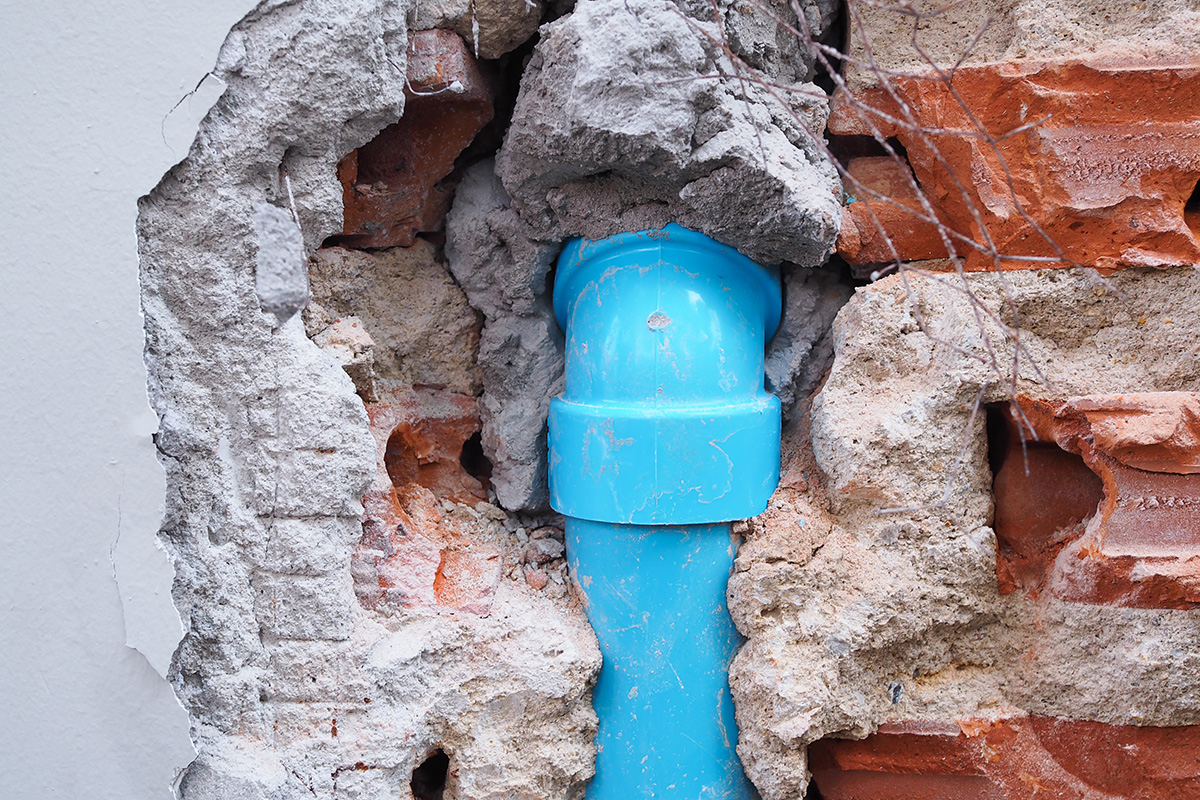
- Full-service repairs, from pinhole leaks to burst pipes hidden in walls.
If you’re dealing with a leak, don’t put up with another short-term fix. Call Outright Plumbing, and we’ll make sure your pipes are safe, sound, and stress-free again.

.webp)

