
Why is there no hot water coming out of the tap? Common causes and solutions

Have you ever turned on your tap expecting a warm flow of comforting water, only to get an icy chill? It's a frustrating experience, especially if you're ready for a relaxing shower or need hot water for cooking or cleaning. But don’t worry; you’re not alone in this struggle. Outright Plumbing is here to help you understand why there’s no hot water coming from your taps and how you can fix it.
If you call us for hot water system maintenance, we will run a full system check and fix the real problem. With Outright, there is absolutely no guesswork. That's how we ensure reliable solutions.
Common reasons and their fixes
No hot water can be frustrating, but fortunately, there are several common reasons why it might happen. By taking the time to consider the potential causes, you can take measures to prevent it from happening in the future. Identifying the cause can also help you decide whether you can fix it yourself or need to call a professional.
First and foremost, you should consider the basics of your home’s hot water system. The simplest scenario is that someone recently used up all the hot water, and your water heater just needs time to catch up. Give it a few minutes, and try the tap again. If that’s not the case, then read on!
1. Thermostat issues
One of the simplest issues could be a thermostat problem. Over time, the thermostat might have been inadvertently adjusted or become faulty. Verify that the temperature is set to a level that can adequately heat your water—most experts recommend around 49°C (120°F) for optimal performance and safety. If it's set correctly but still not working, you might need to reset it.
2. For electric water heaters: the circuit breaker has tripped
For electric water heaters, another common cause is a tripped circuit breaker. Check your home's electrical panel to see whether the breaker has tripped, and reset it if needed.
3. For gas heaters: the pilot light has gone out
For gas water heaters, the pilot light might have gone out. Relighting it could solve your problem. This tiny flame is crucial for igniting the gas and heating your water. If it’s gone out, follow the manufacturer’s instructions to relight it safely. The general process goes as follows:
- Turn off the gas knob on your water heater and wait a few minutes to let any gas dissipate.
- Switch the knob to the ‘pilot’ position.
- Hold down the reset button and use a lighter to reignite the pilot light.
- Keep holding the reset button for about a minute after the flame is lit before releasing it.
Pro Tip: The flame should be a steady blue. A yellow or flickering flame indicates a problem, usually due to dirt or an issue with the gas line. In this case, it’s best to contact a professional.
Once your pilot light is burning steadily again, allow some time for your water to heat up. If it goes out again quickly or you're still not getting hot water, there could be a deeper issue with your thermocouple or gas valve.
In such cases, it's advisable to call in a professional to diagnose and fix the problem.
4. Sediment buildup
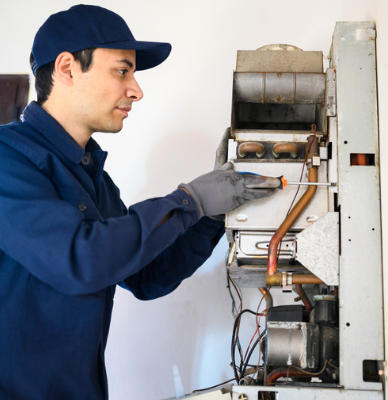
Minerals and debris can accumulate at the bottom of your water heater tank, reducing its efficiency and limiting the amount of hot water it can produce. Flushing your water heater tank can resolve sediment buildup. This involves turning off the heater, draining the tank, and flushing it with cold water until the water runs clear. Check your heater’s manual for instructions on how to safely drain and flush the tank.
5. Faulty valve
Sometimes, the problem could be a faulty heating element or gas valve. If your water heater is older, these components might wear out and need replacing. While some handy homeowners might handle this themselves, it's often best to hire a licensed technician.
6. Plumbing and pipe issues
Lastly, inspect the plumbing. Leaks or faulty valves can impede hot water from reaching you. Examine your pipes for any visible signs of leaks or damage and consider calling a plumber to repair any issues.
Time to call in a professional
Persistent issues might point to a more complex issue. In these instances, it’s best to call in an expert. DIY jobs can void your insurance and create unnecessary risk, so it’s important to know when you're out of your depth.
We hope this guide has highlighted why you sometimes run out of hot water. Diagnosing the problem always involves a bit of investigation. Start with the simple fixes before diving into more intensive troubleshooting. If you don’t feel comfortable working on your home’s hot water, call our professional team to put your mind at ease. We will locate the source of the problem and fix it.
Contact us today and get your hot water back flowing.