
Troubleshooting guide: why your toilet won't flush and how to fix it
When your toilet won't flush, it can be incredibly frustrating. It can disrupt your whole day! There are several reasons why this might happen, ranging from simple to more complex issues. Whether it's due to a clog, a faulty part, or something less obvious, diagnosing the problem is the first step to getting things back in working order.
Knowing when the job requires a quick plunge or when to call in an expert plumber can save you lots of time and money. Outright Plumbing has put together this guide to help you understand why your toilet isn’t flushing and some steps you can take to resolve the problem. With decades of plumbing experience, you can trust our advice for safely troubleshooting your toilet without causing damage to your pipes. If the problem persists, we operate right across Melbourne’s southeast and offer a reliable service. Read on to find out what might be disrupting your toilet’s flow.
Why your toilet isn't flushing
If the water in the bowl isn't flushing away, it could be because of one of the following common problems:
Blocked pipes
One of the most common reasons a toilet won't flush is a blockage in the pipes. This can happen from too much toilet paper, or sometimes non-flushable items being sent down the drain. In general, you should avoid flushing the following down your toilet:
- Wet wipes
- Paper towel
- Feminine hygiene products
- Grease and cooking oil
- Cat litter and cat poop
If you have older pipes, you could be more prone to blockages as materials stick to the pipe walls. When these items get wet, they stick together and expand in the pipes, leading to serious clogs. For minor clogs, you should be able to resolve the issue yourself; skip to the step-by-step guide.
Cistern issues
The toilet cistern needs enough water to create a proper flush. If the water level is too low, the toilet won't flush completely or at all. Signs your cistern is on the way out include:
- Running water sounds that don’t stop after the flush
- Weak flushes
- Slow refills
- Water pooling around the base of the toilet
These issues usually develop over time as seals break and valves wear out. If your cistern is cracked, you will require a plumber to come in and resolve the issue. The cistern connects to the toilet, the water supply, and your house’s waste line. Poor installation can lead to leaks, water damage, and even plumbing emergencies. A DIY job is simply not worth the risk of active flooding.
Malfunctioning flush valve
The flush valve is responsible for sealing the water in the cistern. If it's not lifting correctly or is damaged, it can prevent the toilet from flushing. A malfunctioning flush valve can also drive up water bills and environmental impact.
"Understanding why your toilet isn't flushing is key to resolving the issue promptly and avoiding inconvenience."
Now that we’ve addressed the main reasons your toilet might not be flushing, let's run through some quick troubleshooting measures.
Quick Fixes for a Toilet That Won't Flush
If your toilet isn't flushing properly, there are several quick fixes you can try before calling a professional. Here's a step-by-step guide to get your toilet back in working order:
- Check the water level: Make sure there is enough water in the cistern. Open the cistern lid and see if the water level is below the designated fill line. If it is, adjust the float to allow the cistern to fill up properly.
- Ensure the flush valve is sealing: The flush valve inside the cistern should create a tight seal when closed. If it's not sealing properly, it might be causing the flush to be weak. You may need to adjust or replace the valve.
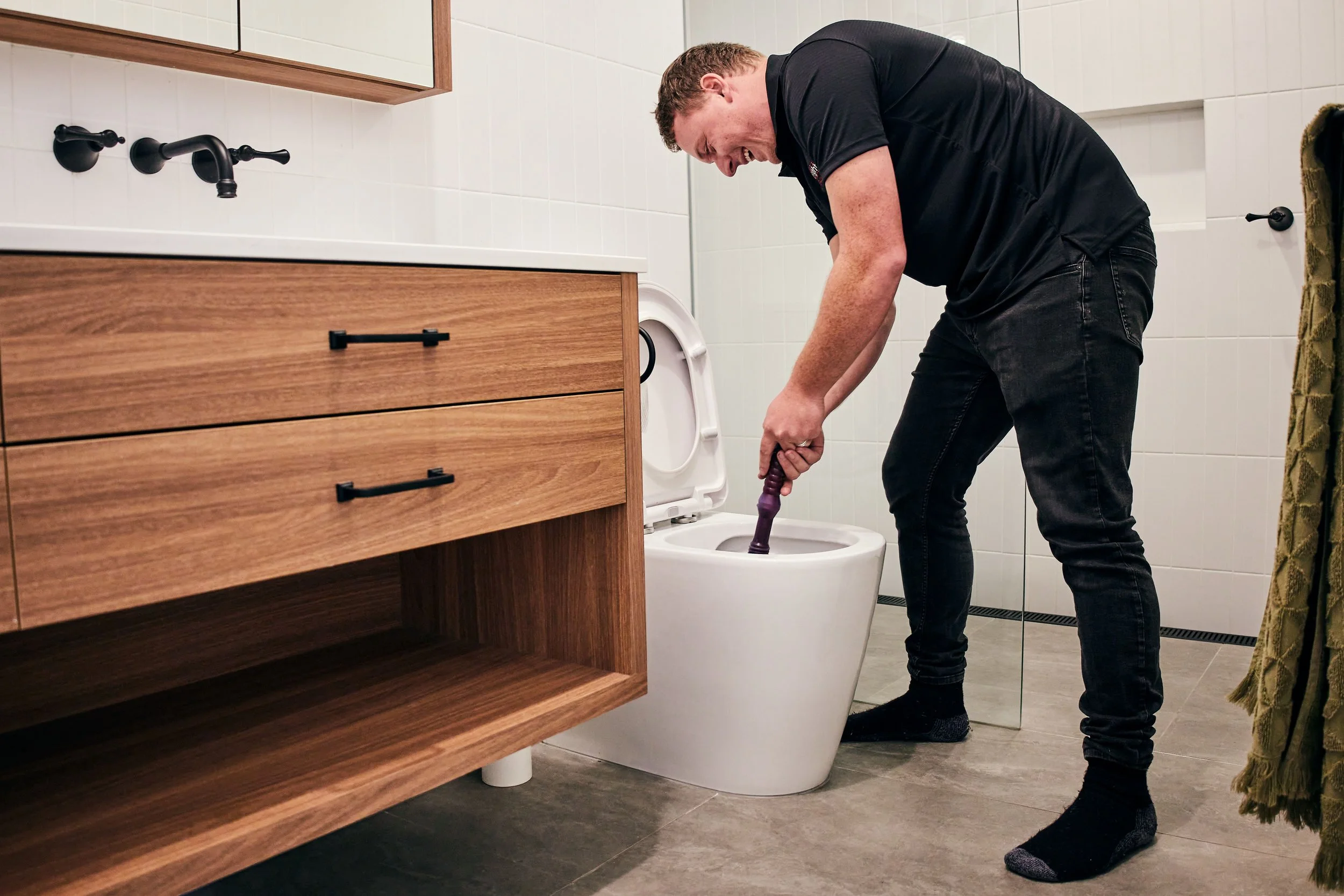
- Use a plunger: If the toilet bowl is slow to empty or the flush does not clear the bowl effectively, a blockage might be the issue. Use a plunger to try to dislodge any obstructions. Place the plunger over the drain hole, ensure a good seal, and plunge several times vigorously. Then flush to check if the problem is resolved.
- Inspect the internal links: Sometimes, the lift chain that connects the flush lever to the flush can become tangled or disconnected. For older toilets, make sure the chain is properly attached and has enough slack to allow the flush valve to lift and close correctly. For push-button systems, check that the plastic rods or cables beneath the lid align.
- Check for blockages: A blocked toilet can often be fixed with repeated plunging, but if plunging doesn’t work, consider using an auger.
Why you should never ignore a faulty flush
It’s always better to address the problem as soon as you notice it. Depending on the cause of your flushing issues, you may be putting your home at risk of water damage or sewage backups. A small, ignored blockage could damage your pipes, leak into your subfloors, causing mould or wood rot. A quick and simple fix can become a major headache if a professional plumber has to come for flooding.
What a professional plumber will do
When you call in a professional, there’s no guesswork! Our expert plumbers will thoroughly assess your toilet and identify the problem. They’ll fix the root cause, not just the symptoms, leaving you with a reliable solution. We know when the situation calls for a quick repair and when it’s time to replace a part in your toilet. We will remain up front and provide you with transparent pricing. That way, you know what to expect!
A faulty toilet can be extremely frustrating, but it’s nothing that can’t be handled. We hope this guide has helped you understand what’s going on and some simple steps you can take to fix your toilet. And when the situation requires an expert, we are only one phone call away. Contact Outright Plumbing today!